
A Letter from the Co-Executive Directors
Dear Public Spaces Champions,
Project for Public Spaces was founded in 1975 for the purpose of proving why public space matters. For the next fifty years, it went on to bring thousands of public spaces to life through placemaking. In 2025, we marked our 50th anniversary by reflecting on five decades of milestones that belong to all of us—to everyone who has believed, as we do, that every public space can be community-powered.
As we looked forward to the next fifty years, we realized the moment called for more than celebration. With growing concerns over shrinking public funding and disruptions at every level of government, our mission has never felt more urgent.
In recognition of this critical time and to open 2025 with intention, we released our first-ever State of Public Space Survey, which invited our growing community of public space professionals to share what they were seeing on the ground. Over 700 respondents from around the world revealed a candid baseline: only 5% of respondents said their public spaces meet community needs. It was a sobering finding that also clarified what it truly takes to drive meaningful change in today’s landscape. Drawing on the ambitions and wisdom of our global network, we developed a new Strategic Plan charting our path forward over the next three years to support the people who drive change in public spaces—the placemakers and community builders who navigate broken systems to cultivate the places that help us combat loneliness, build community capacity, and make our cities and towns more liveable, affordable, and joyful.
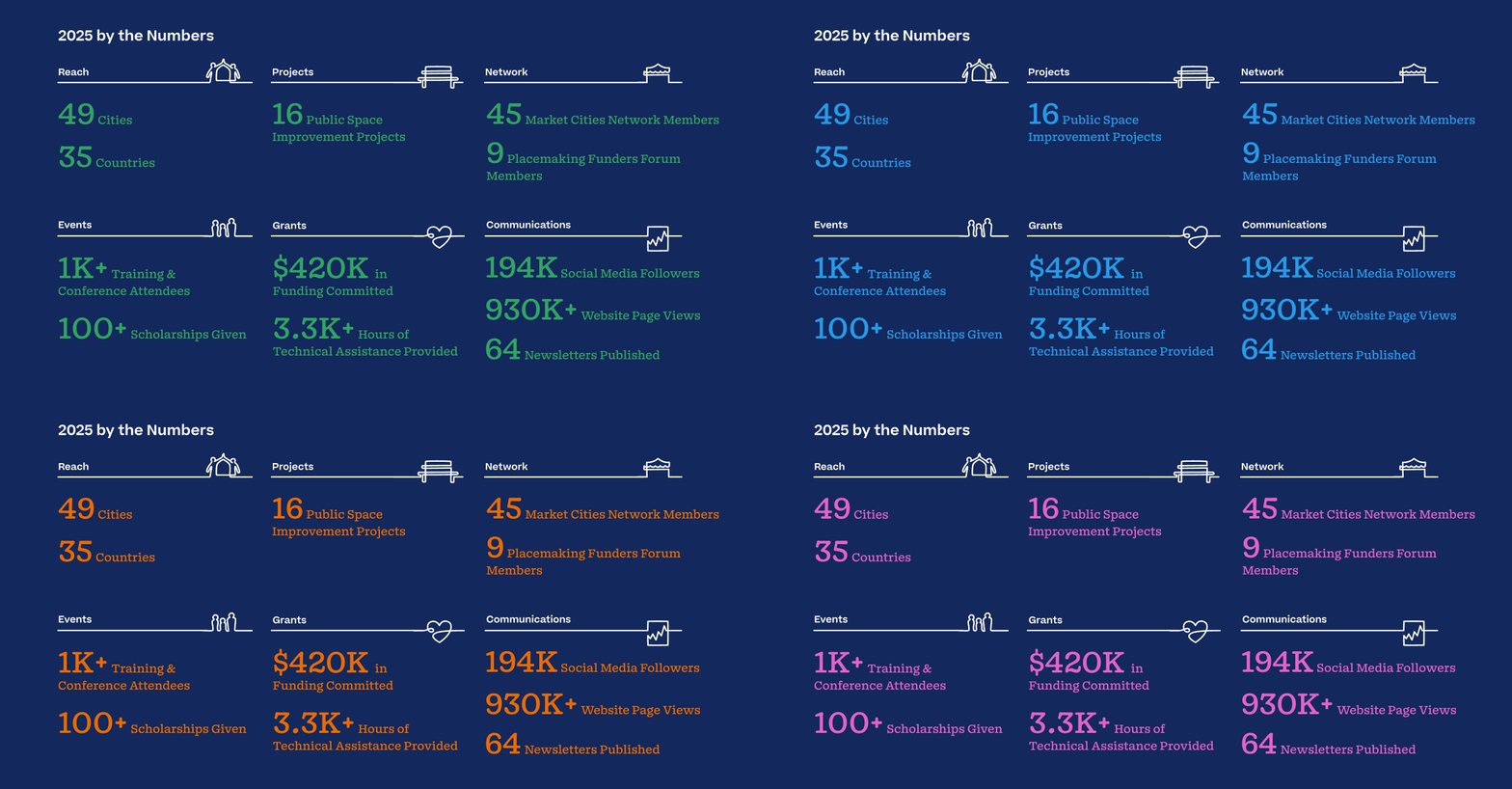
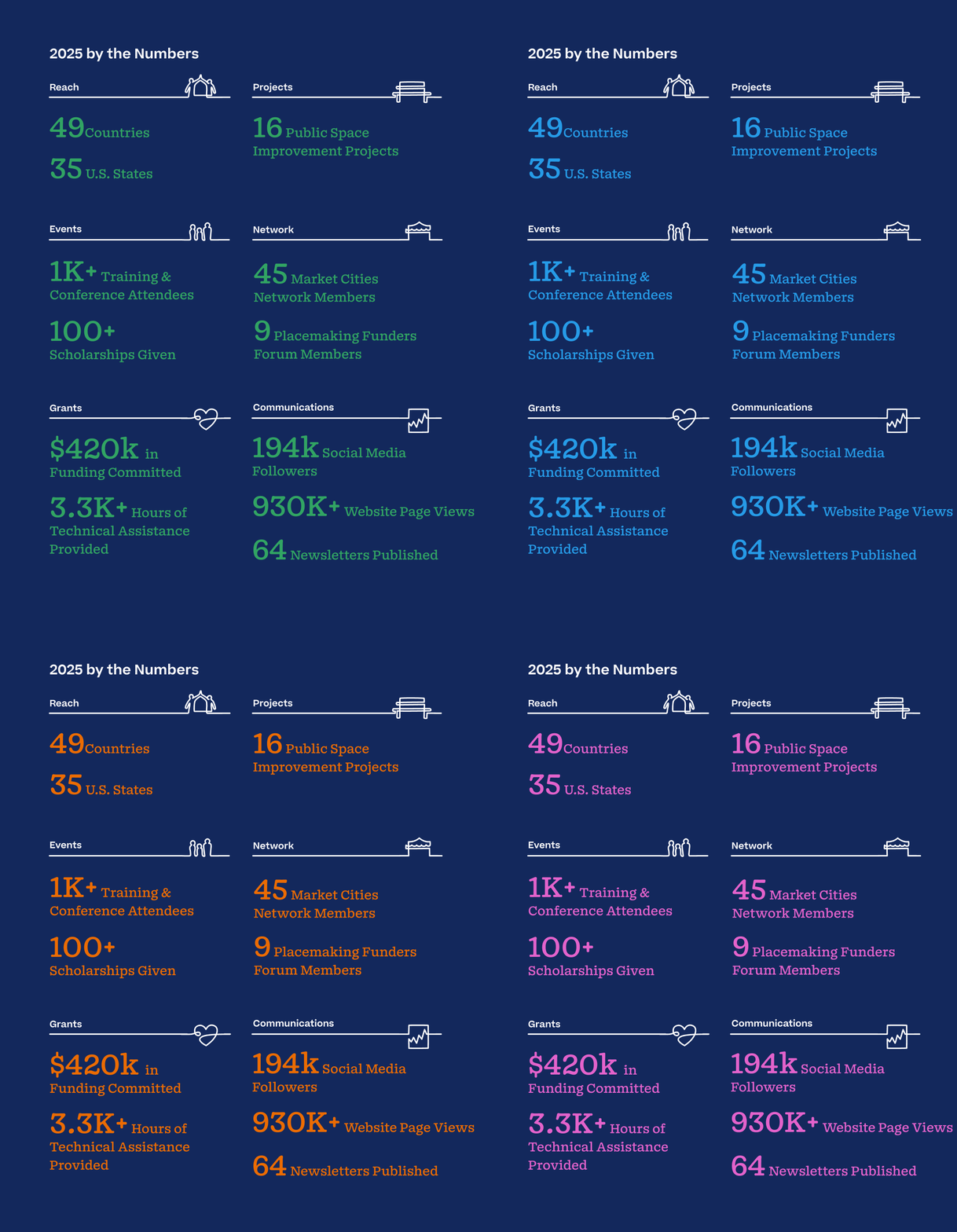
It was also a year of impactful work. We’re proud to share that among many achievements, in 2025 alone, we worked on the revitalizatiaon of 16 public spaces, committed $420,000 in placemaking grants, provided over 3,300 hours of technical assistance support, connected over 250 public market leaders at our 12th International Public Markets Conference, and trained another 1,000 professionals through our online education initiatives. We launched the Placemaking Funders Forum, an initiative that empowers local and national grantmakers to drive greater impact in public spaces. Our milestone year also marked the second anniversary of our Market Cities Network, which now convenes over 50 organizations to enhance public markets. These programs continue to foster more resilient, connected communities by recognizing public spaces as essential infrastructure for bringing people together.
We invite you to explore our 2025 Impact Report as a testament to what that commitment looks like in action. As we like to say, when it comes to public space, “you’re never finished,” and we are grateful to be on this ongoing journey with you.
In community and in place,
Nate Storring & Kelly Verel
Co-Executive Directors
Celebrating 50 Years
What began as a small group applying William H. Whyte's observational methods has grown, over the course of five decades, into a global movement. By our 50th anniversary in 2025, Project for Public Spaces had helped over 3,500 communities across 52 countries create vibrant, people-centered public spaces. We had also hosted over 35 conferences attended by more than 16,000 professionals and trained over 10,000 individuals along the way. Our half-century milestone was honored with a series of meaningful endeavors that reflect the work of a growing global community of public space practitioners:
State of Public Space Survey
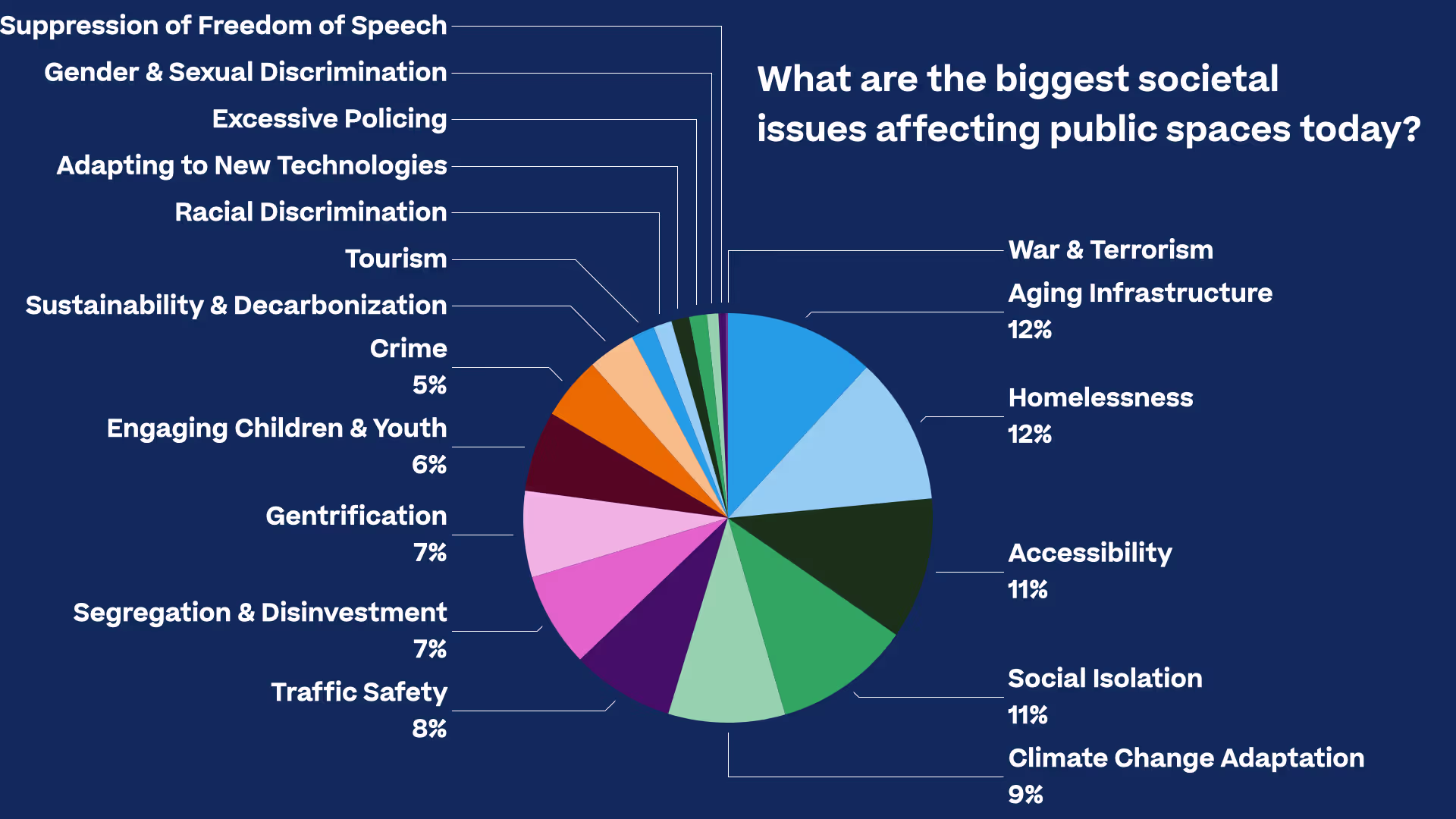
To set a meaningful tone for 2025, we shared the findings of our State of Public Space survey, in which over 700 public space professionals worldwide responded, capturing a critical snapshot of the challenges and opportunities facing the public realm today. The results reinforced the organization's core belief that public spaces are powerful multi-solvers, capable of addressing interconnected crises in health, housing, and social isolation. The report also pointed to concrete actions communities can take: rethinking how public spaces are funded and regulated, prioritizing seating and inclusive design, and concentrating coordinated services around the people who need them most. As federal funding cuts and growing instability threaten civic infrastructure, Project for Public Spaces remains focused on empowering local communities to act collectively, drawing inspiration from the hundreds of innovative parks, streets, markets, and placemaking projects that were highlighted by respondents as proof of what is possible when we invest in the public realm.



A Message From Our Founders
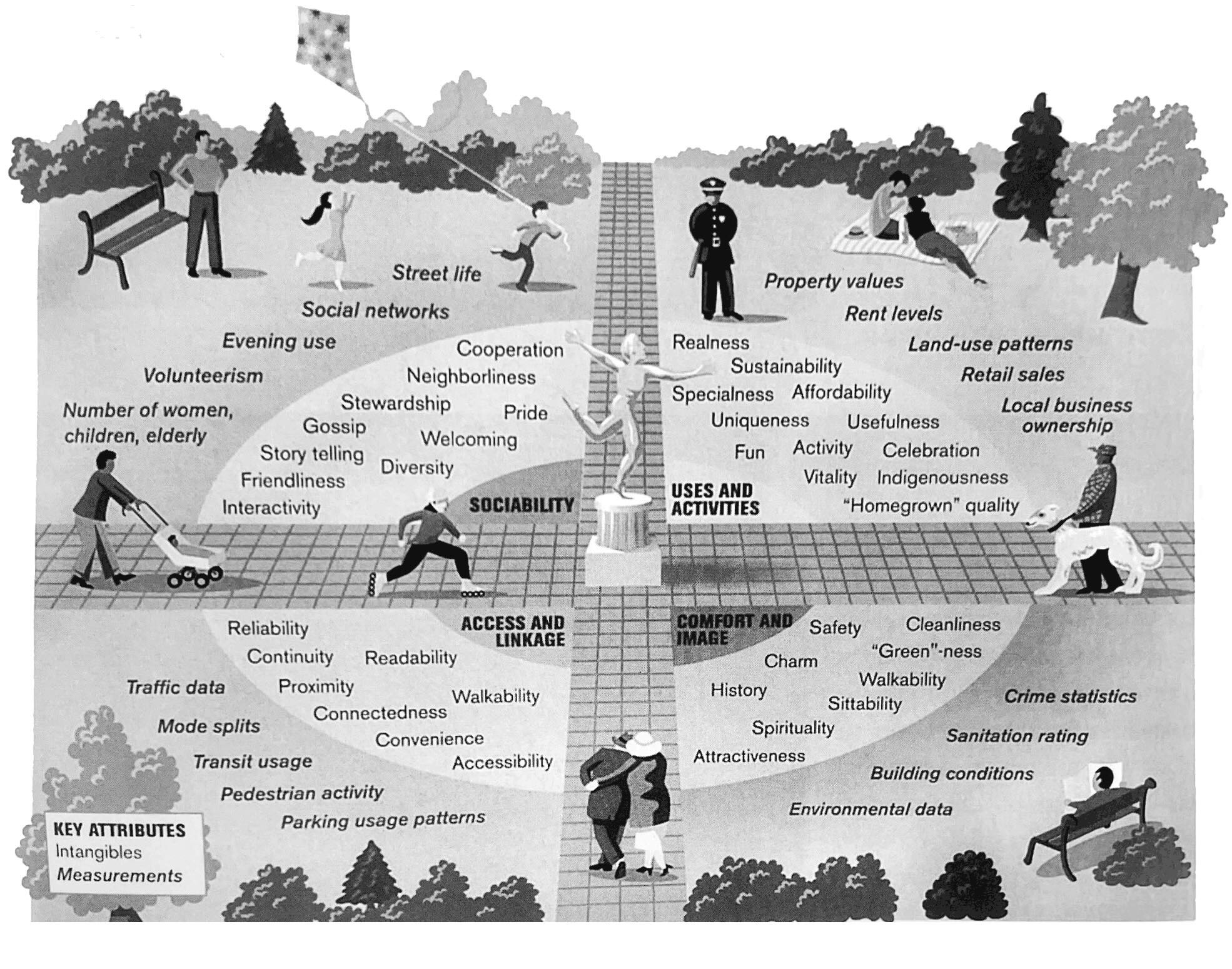
PPS co-founders Steve Davies, Fred Kent, and Kathy Madden reflected on the origins of their 11 Principles for Creating Great Community Places—a set of accessible, jargon-free guidelines developed through decades of hands-on project work and first published in 2001. Rooted in William H. Whyte's observational methods and shaped by real-world experiences across cities like New York, Detroit, and Houston, the principles champion ideas like community expertise, small-scale action, partnership, and ongoing stewardship of public spaces. To this day, these principles, as outlined in our foundational book, How to Turn a Place Around, have been referenced worldwide and translated into numerous languages. The principles remain as relevant as ever, continuing to guide the organization's work and that of practitioners worldwide.
Honoring William H. Whyte
Any reflection on our rich history would be incomplete without looking back on the decades we've spent observing and studying the public—and paying proper tribute to 16mm film! Project for Public Spaces partnered with Anthology Film Archives and The Municipal Art Society of New York to host a sold-out event, which included a screening of Whyte’s newly restored 1980 documentary, The Social Life of Small Urban Spaces, and a lively panel discussion in which leaders in architecture, placemaking, and urban design reflected on Whyte's enduring legacy and the future of public space. The occasion was a fitting celebration of a film and a pioneering urbanist whose core insights about creating people-friendly public spaces not only inspired the founding of Project for Public Spaces, but remain as relevant as ever, offering a timeless roadmap for building a richer social life in our cities and towns.
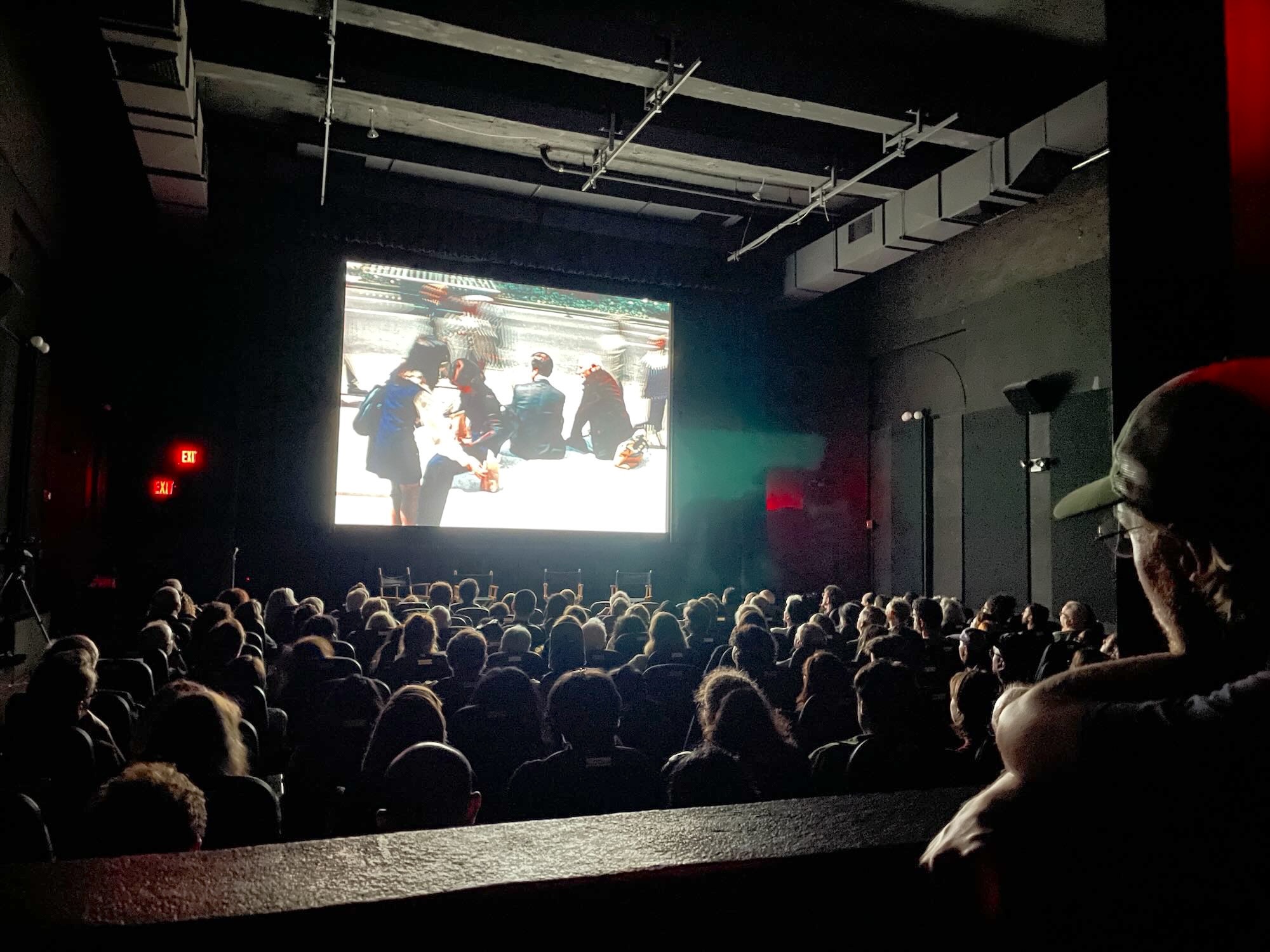
The anniversary served as both a celebration and a call to action. Co-founders and staff alike reflected that the work—much like the public spaces they champion—is never truly finished, and the organization invited supporters, partners, and communities to contribute to the next 50 years of placemaking. The milestone reaffirmed a simple but enduring belief that had guided the organization since 1975: great public spaces don't just happen by design, they are shaped by the people who use, care for, and champion them.
12th International Public Markets Conference
In June 2025, the PPS team headed to Milwaukee, Wisconsin, to present the 12th International Public Markets Conference, co-hosted by the Milwaukee Public Market, bringing together 255 market leaders from 102 cities and 9 countries. The three-day event centered on the theme Public Markets for Every City, exploring how markets combat social isolation, strengthen local food systems, and drive economic development. Day one featured an opening plenary with welcome messages from Wisconsin's Governor Tony Evers and Milwaukee's Mayor Cavalier Johnson and panel discussions with distinguished leaders sharing insights from around the world, covering emerging research, new guides to address long-term challenges, and municipal support of public markets.


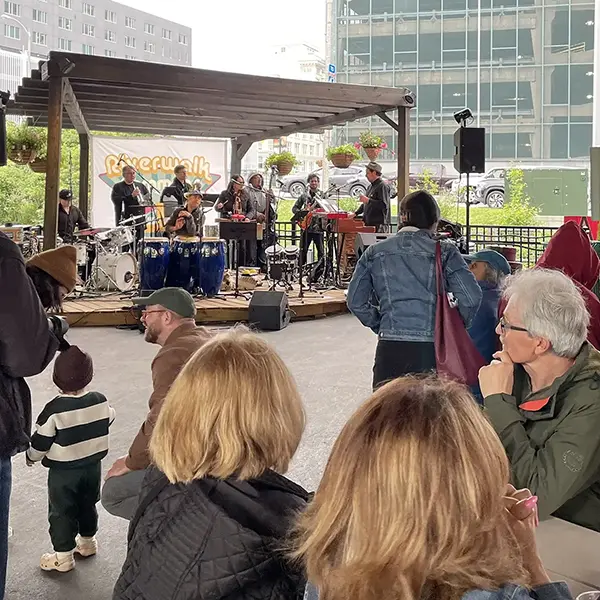


From there, attendees ventured off on mobile workshops across the city to see market practices in action. Day two brought breakout sessions covering market management, equity, and mental health, while the final day offered tours of local farmers markets and community spaces and honored the co-founders of PPS's Public Markets Program, Steve Davies and David O’Neil. The conference generated an estimated $520,000 in economic impact for Milwaukee through local procurement of goods and services that make the largest global conference for public market professionals possible. Beyond its financial impact, it also inspired a University of Wisconsin-Milwaukee urban planning capstone project analyzing the city's food system and startup economy, producing a community-informed report to guide future initiatives.
The energy of those three days will extend well beyond the conference itself. Key learnings from the deep conversations and exchange of ideas in Milwaukee will permeate through the work of conference goers who return to their communities around the world, strengthening the global public markets movement in the days, months, and years to come! We look forward to the next public markets conference in 2027, which will mark 40 years since its inception, with plans to announce the host city in summer 2026.
On-the-Ground Projects
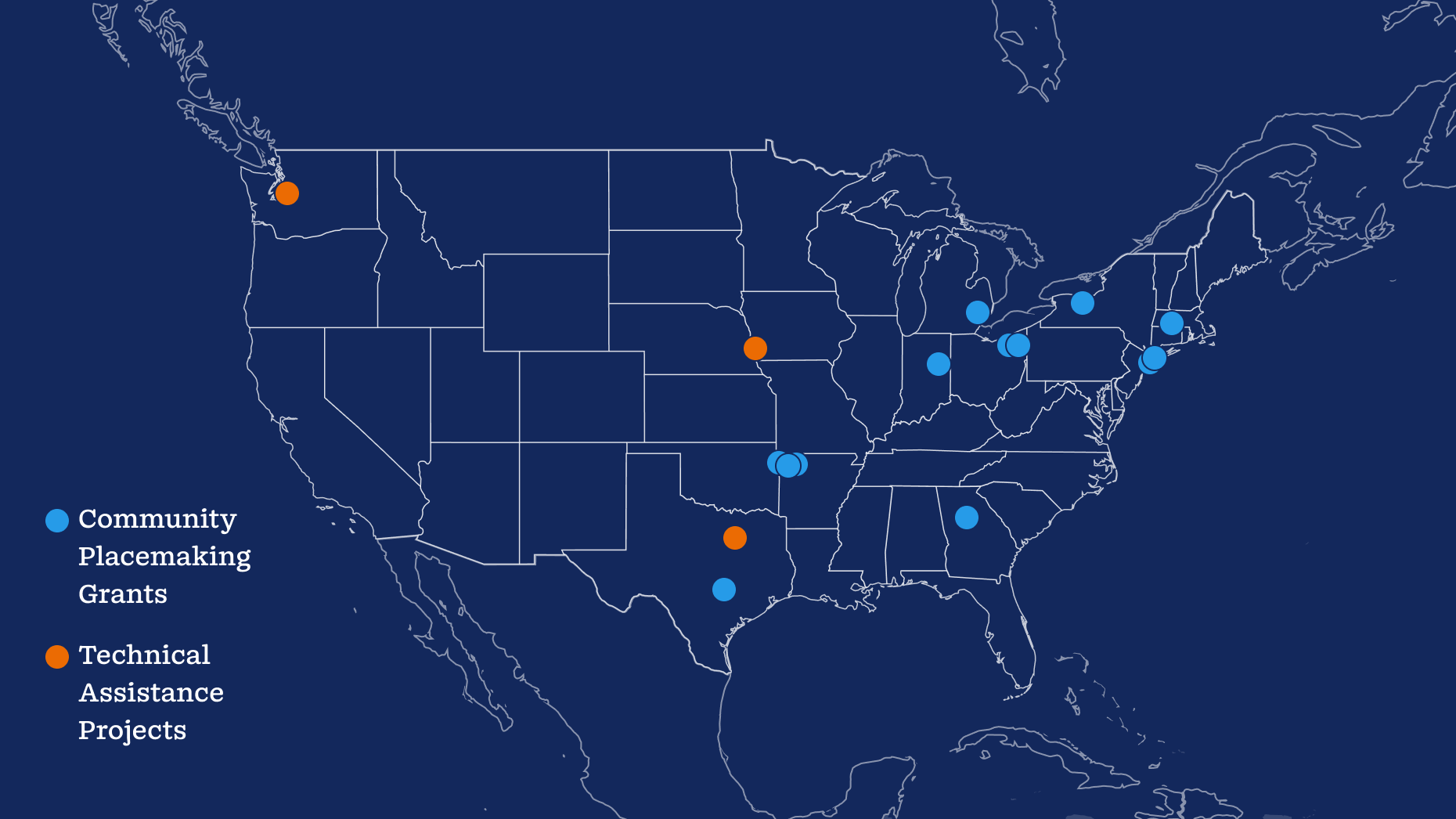
Project for Public Spaces' placemaking approach comes to life through Community Placemaking Grants and technical assistance projects. From shaping a community-driven vision to crafting human-centered plans and designs to opening day and beyond, we guide stakeholders through every step. Through our work with the Thriving Communities program, we've shared lessons learned from placemaking on Main Streets across the country. From shaping a community-driven vision to crafting human-centered plans and designs to opening day and beyond, we guide stakeholders through every step. Whether it’s a park, plaza, district, public market, third place, or vacant lot, we partner with public agencies, place management organizations, community- based organizations, cultural institutions, and market operators to transform shared spaces.
In 2025, we facilitated 16 public space improvement projects, all with the goal of co-creating inclusive public spaces with the people who use them every day.
Community Placemaking Grants
Our Placemaking Program puts local residents at the heart of envisioning and improving public spaces—because they stand to benefit most from those changes. Through grantmaking partnerships, educational events, conferences, design and planning services, and more, we work to ensure communities have the spaces they deserve. Since launching our flagship Community Placemaking Grants initiative in 2021, we have been tackling unequal access to high-quality public spaces by partnering closely with local stakeholders to drive people-powered change where it's needed most. Together, we revitalize existing public spaces or help build new ones, combining direct funding with free technical assistance and capacity building.
In 2025, as part of our Community Placemaking Grants, we worked with 13 public space stewards to improve a public space in their community by uplifting local voices in their design, programming, and management, and committing $420,000 in implementation funding with support from our partners. These projects offer real day-to-day reminders of how swiftly a community’s vision can come to life to ensure long-lasting impact.
HISTORIC TWIN SPRINGS PARk
Siloam Springs, Arkansas | Grantee: City of Siloam Springs | Supported by: Walton Family Foundation
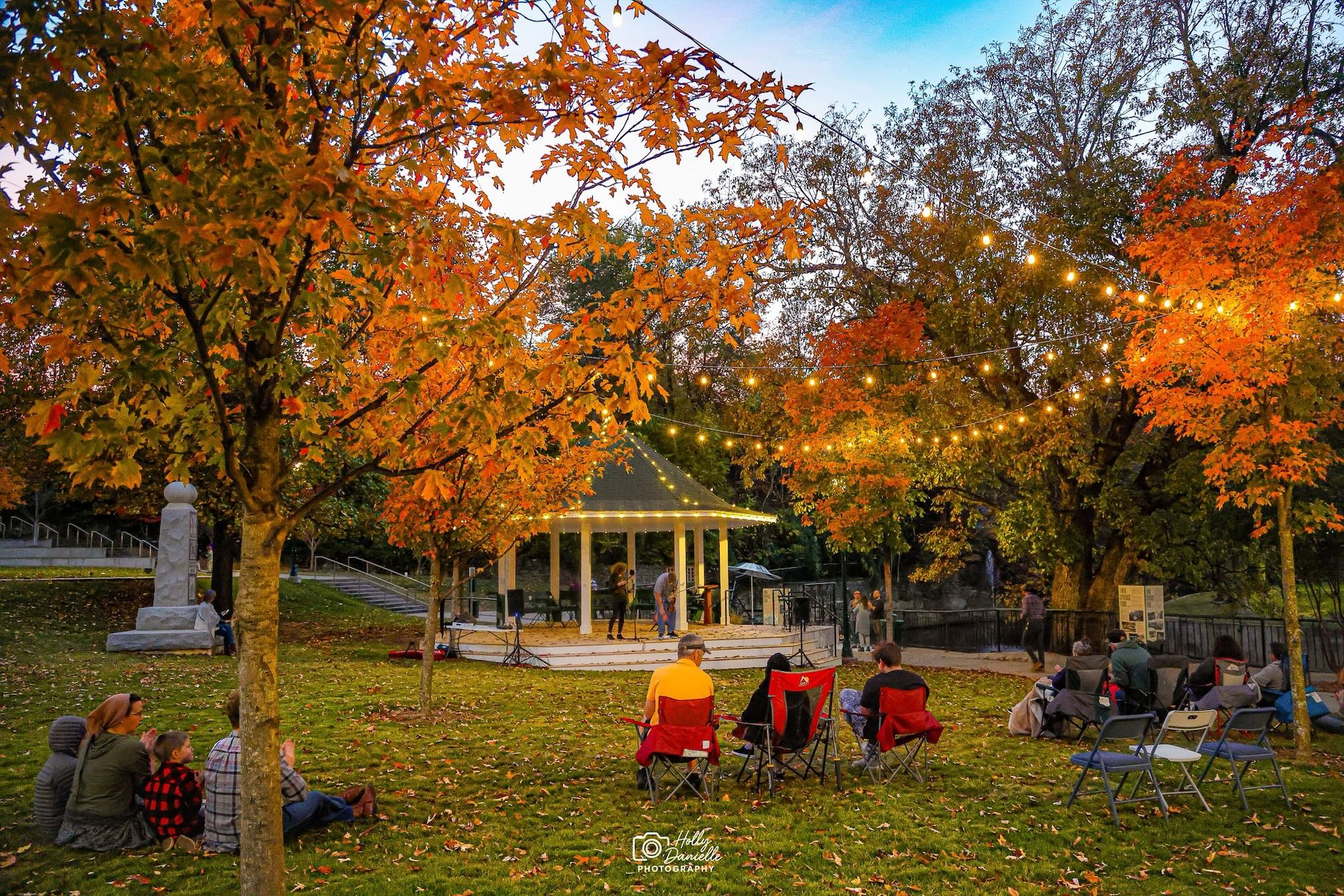
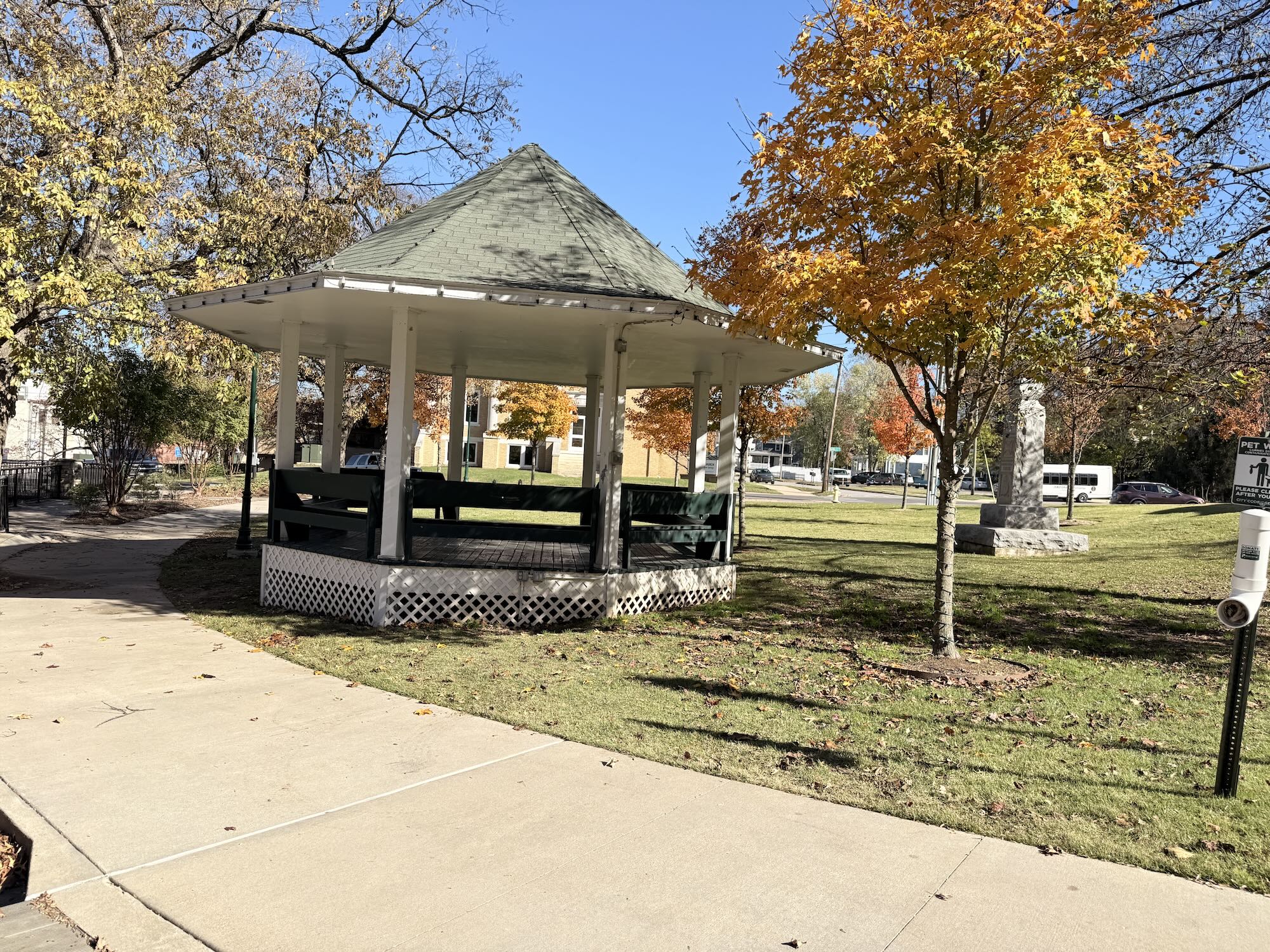
The City of Siloam Springs, Arkansas, worked with Project for Public Spaces to revitalize Twin Springs Park—the historic site after which the city was named—which had fallen into disrepair and disuse despite its prime downtown location. Siloam Springs Parks & Recreation Department partnered with PPS to engage the community, whose feedback guided the prioritization of accessibility-focused gazebo improvements, a new seating area overlooking the springs, and broader beautification and programming efforts. The result was twofold: renewed community use of a beloved historic park and leveraged momentum for promised future investment to restore the historic springs.
PUBLIC SQUARE
Cleveland, Ohio | Grantee: Downtown Cleveland, Inc. | Supported by: GM


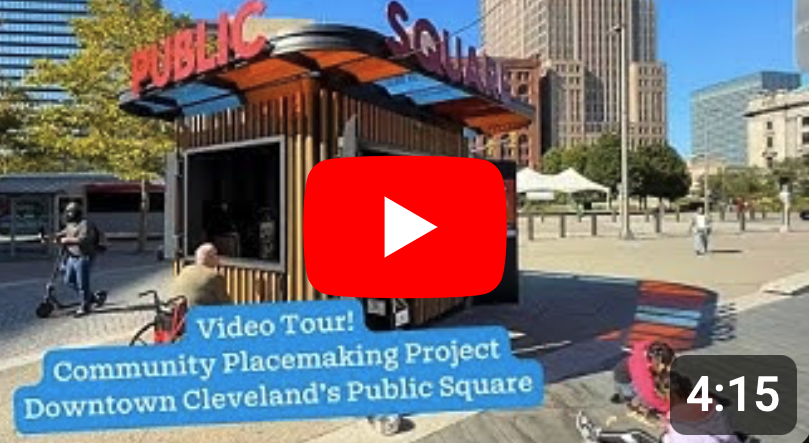
Downtown Cleveland, Inc. worked with Project for Public Spaces and local stakeholders through an extensive community engagement process to conceptualize, design, and build a welcoming hospitality kiosk in Public Square, a 10-acre downtown park long known as a place to pass through rather than visit or linger in. The project helped Downtown Cleveland, Inc. build momentum and leverage additional local support for their broader activation efforts in the square. The kiosk opened in September 2025—just in time for their fall programming and much-anticipated Fall Fun Day. As a permanent amenity staffed daily by a Park Host, the kiosk serves as a welcoming anchor for visitors, offering directions, lending games and books, and sharing event information.
Parque Zaragoza's Traffic Garden
Austin, Texas | Grantee: Austin Parks Foundation | Supported by: GM

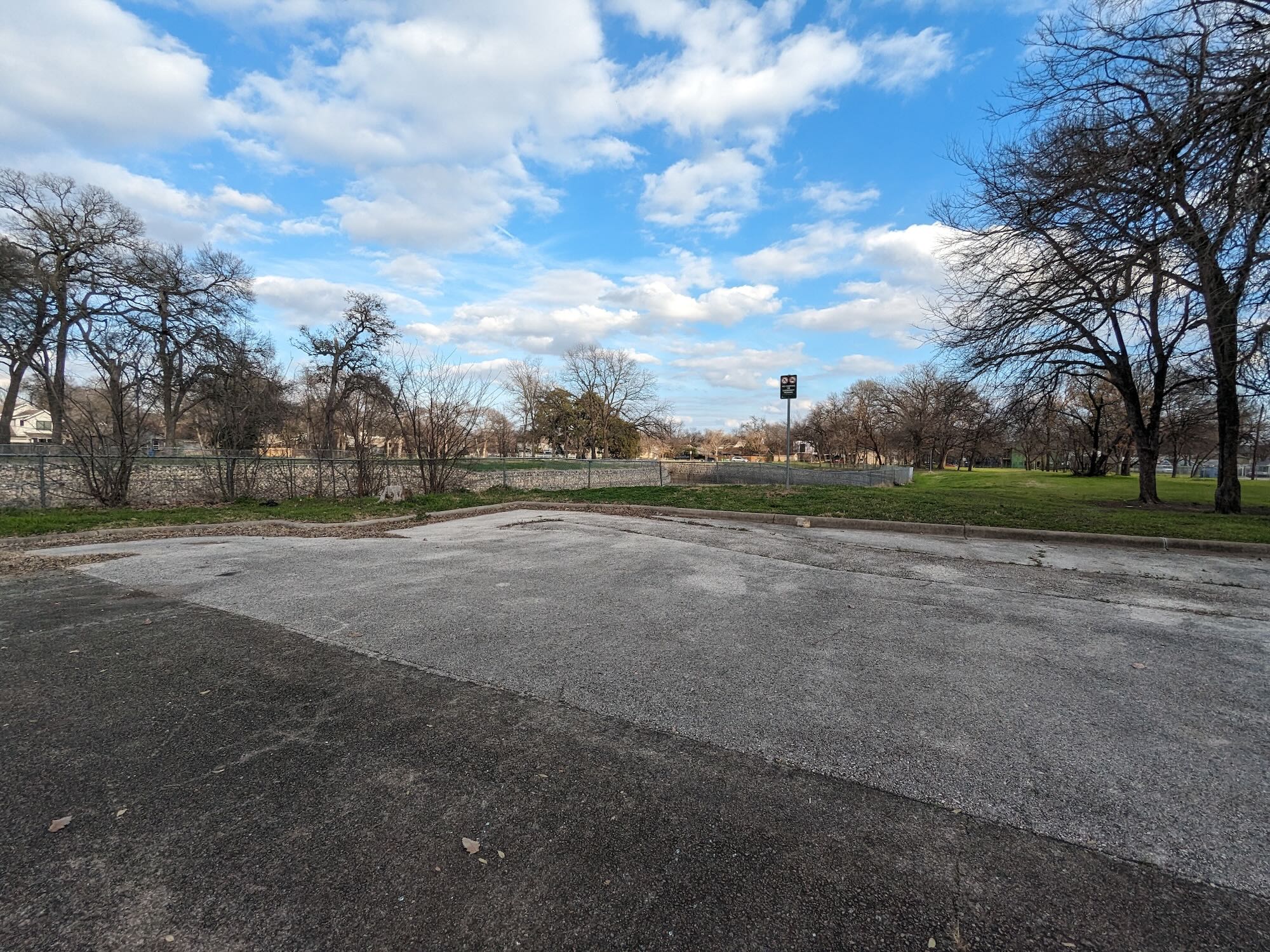
Through a Community Placemaking Grant, Austin Parks Foundation and Project for Public Spaces partnered with City of Austin’s Park and Recreation Department and the Amigos de Parque Zaragoza to revitalize Parque Zaragoza, a historic gathering place in Austin's Mexican-American community. Listening sessions with residents pointed to a clear desire for youth-focused programming, spurring the creation of Austin's first "traffic garden"—a painted biking track designed to teach children street safety—on an underutilized parking lot adjacent to the park's recreation center. The project attracted $50,000 in additional funding from Austin Parks Foundation, and the collective effort successfully transformed the space into a vibrant hub for learning and play for all ages.
MARION PUBLIC LIBRARY & MUSEUM COURTYARD
Marion, Indiana | Grantee: Marion Public Library & Museum | Supported by: GM
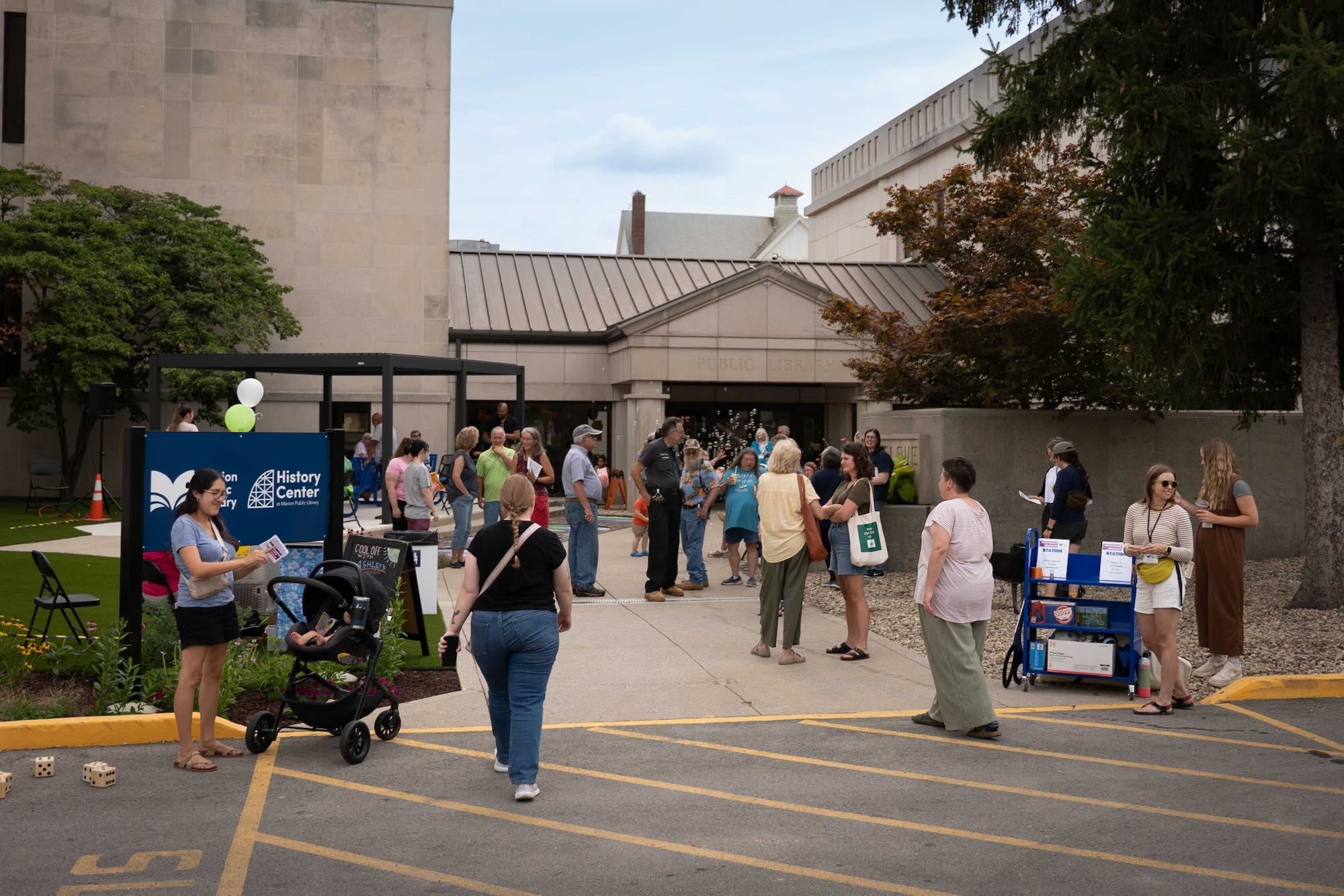

With a $100,000 Community Placemaking Grant, the Marion Public Library & Museum in Marion, Indiana, worked with Project for Public Spaces to breathe new life into its underused courtyard—reimagining it as a welcoming outdoor destination for the whole community. Shaped by input from residents, the redesign introduced a play area, amphitheater seating, artificial turf, shade structures, picnic tables, and plantings, creating layered spaces for gathering, play, and quiet enjoyment. The library leveraged additional donations and grants to fund murals, benches, and other amenities to make the space feel truly complete. The community celebrated the transformation with a Courtyard Kickoff event in August 2025 to mark the milestone.
CIVIC SPACES
Grantees: GrowHouse NYC in Bed-Stuy, Brooklyn, New York & Springfield Cultural Partnership in Springfield, Massachusetts | Supported by: Robert Wood Johnson Foundation
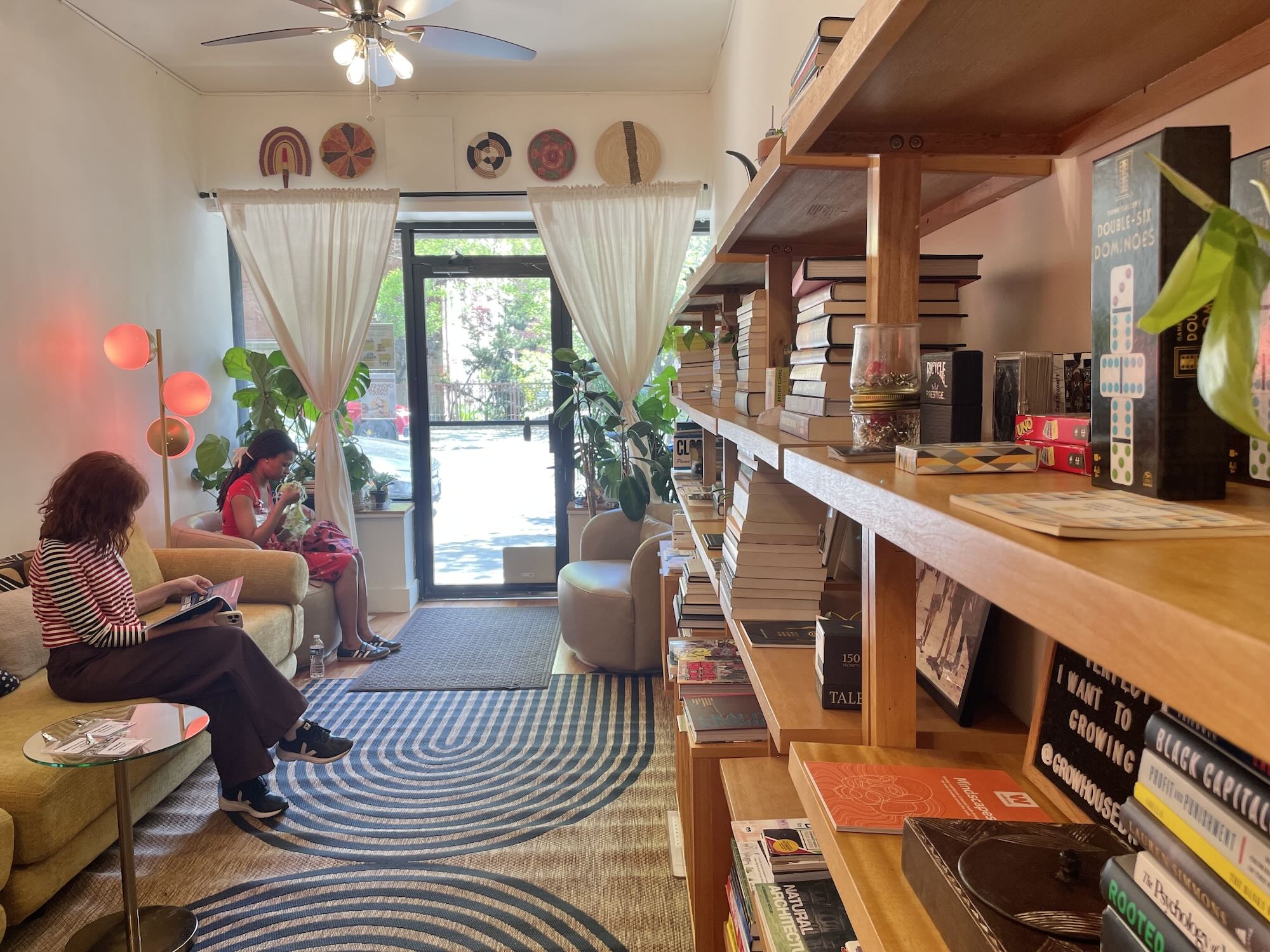
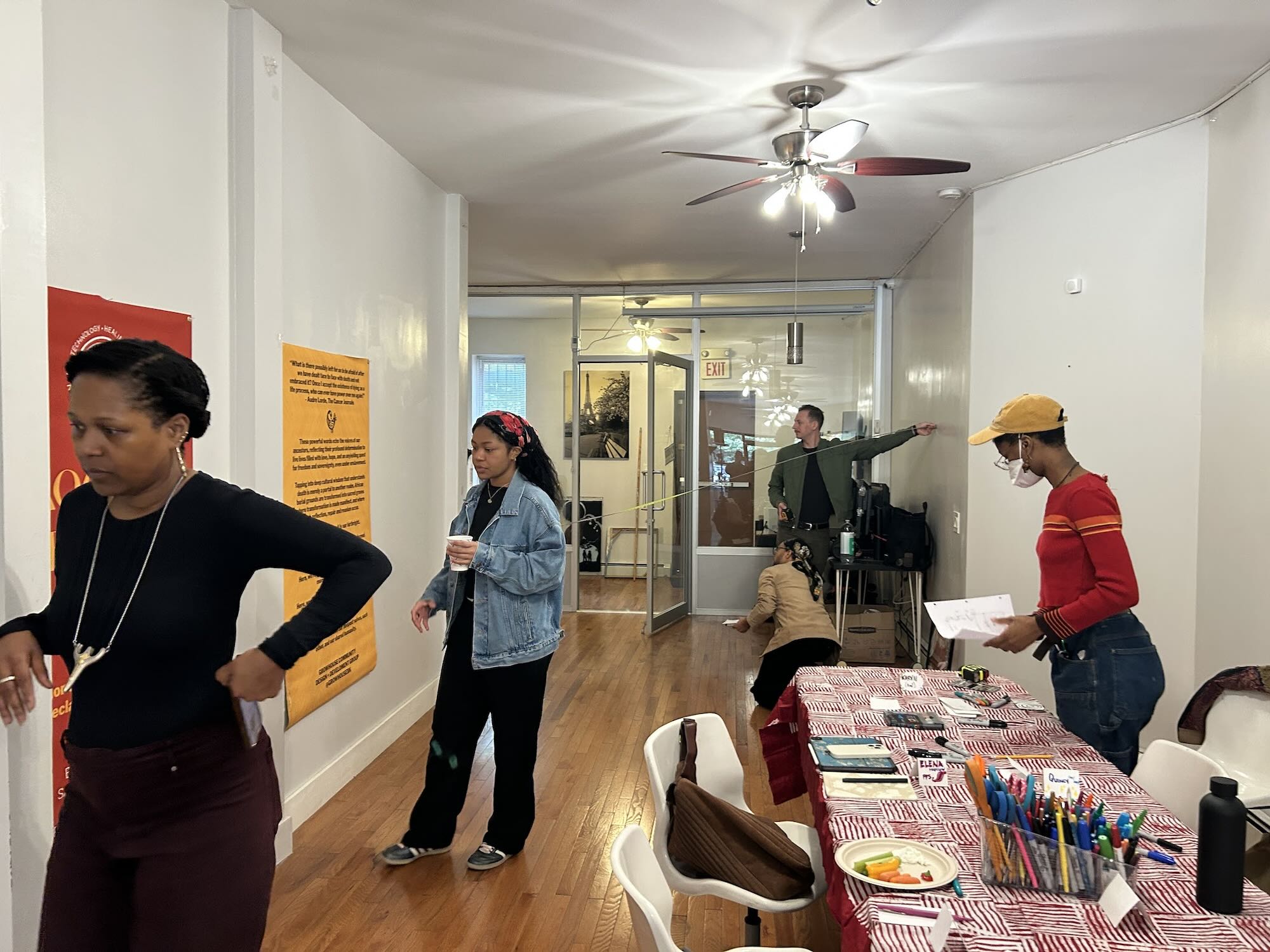
Project for Public Spaces, in partnership with CultureHouse, awarded $60,000 Community Placemaking Grants to GrowHouse in Bed-Stuy, Brooklyn, and Springfield Cultural Partnership in Springfield, Massachusetts, to support the creation of indoor pop-up spaces in BIPOC and low-income communities that promote civic life.
GGrowHouse drew on the history of Black Brooklyn to engage elders, youth, preservation architects, and local leaders through pop-ups, block parties, and workshops, piloting civic programming, intergenerational leadership, and community-supported revenue models in a pop-up space within a storefront on Marcus Garvey Boulevard in Bed-Stuy to inform their long-term vision for community land stewardship. In Massachusetts, Springfield Cultural Partnership gathered community input through stakeholder sessions, surveys, and one-on-one conversations to shape a civic pop-up at Tower Square, expanding their vision from arts activation to an accessible, bilingual hub where art, dialogue, and public life intersect. A booking system and programming framework launched in early 2026.
Together, this engagement work laid the groundwork for each grantee to host a three-month pop-up where residents can come together to organize, engage in dialogue, and address local challenges—strengthening community leadership, social cohesion, and lasting civic engagement.

Technical Assistance Projects
Project for Public Spaces offers urban planning, design, and community engagement services to clients in the public, civic, and private sectors that seek to support the well-being of communities through public space. In 2025, we assisted three locations across the country to improve their spaces with forward-thinking placemaking and public market strategies.
Preparing for the World Cup in SeaTac
SeaTac, Washington | Client: City of SeaTac
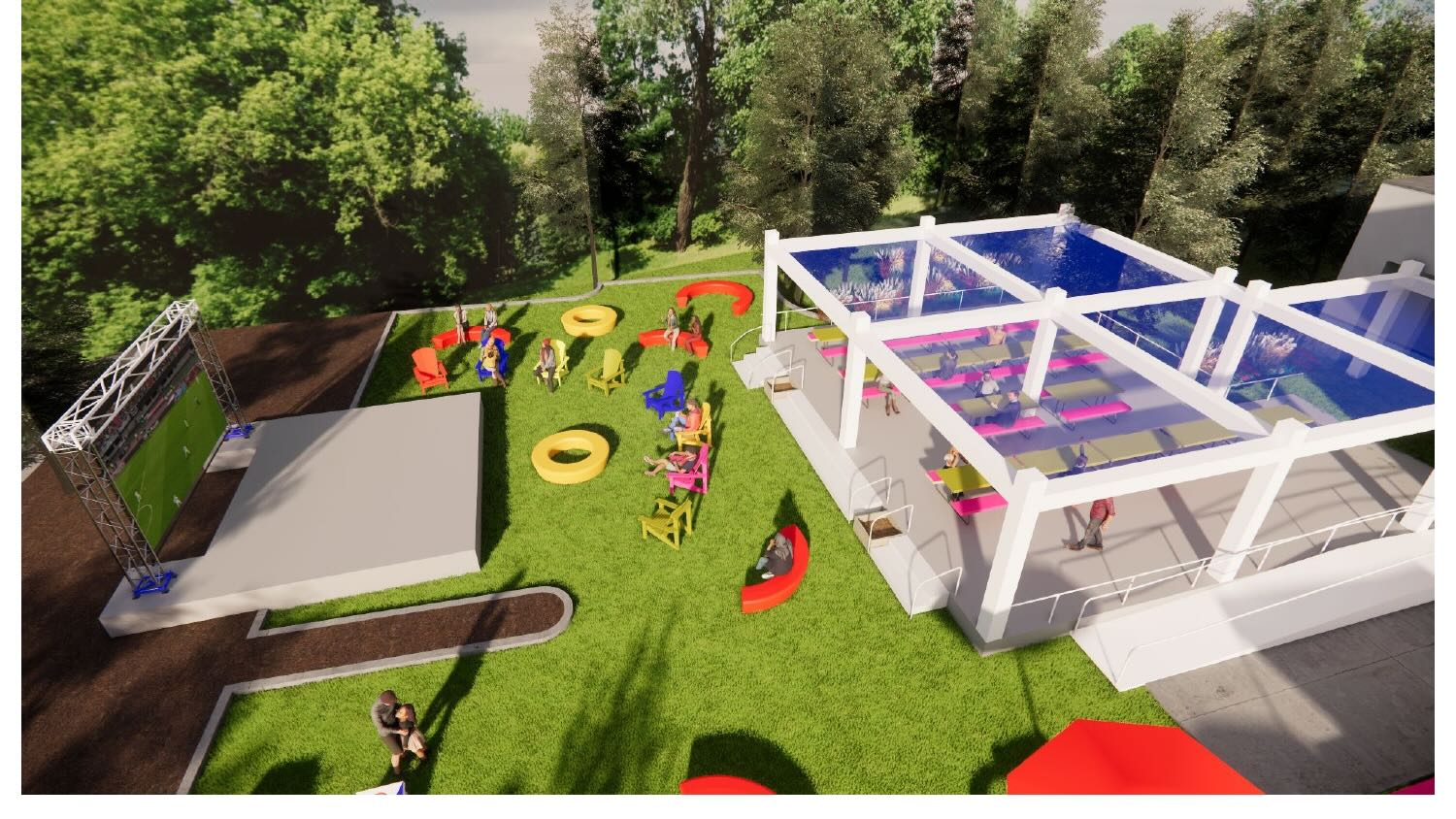
Project for Public Spaces is working with the City of SeaTac, Washington, located just north of Seattle, to plan and implement three public activations sites ahead of Seattle’s hosting of the 2026 World Cup. The goals of the three activations are to create vibrant, community-driven gathering places that celebrate the global spirit of soccer through food, art, and play. PPS’s role spans 2025 and into 2026, encompassing work with the city to create a management plan for the operation of the sites, leading the design and layout of the sites, identifying appropriate vendors and contractors, and researching and procuring amenities to furnish the site. Working in partnership with local food and beverage vendors, the activations will feature offerings that reflect the city’s global population, daily programming, watch parties, and entertainment.
Omaha Riverfront Market
Omaha, Nebraska | Client: Heritage Omaha
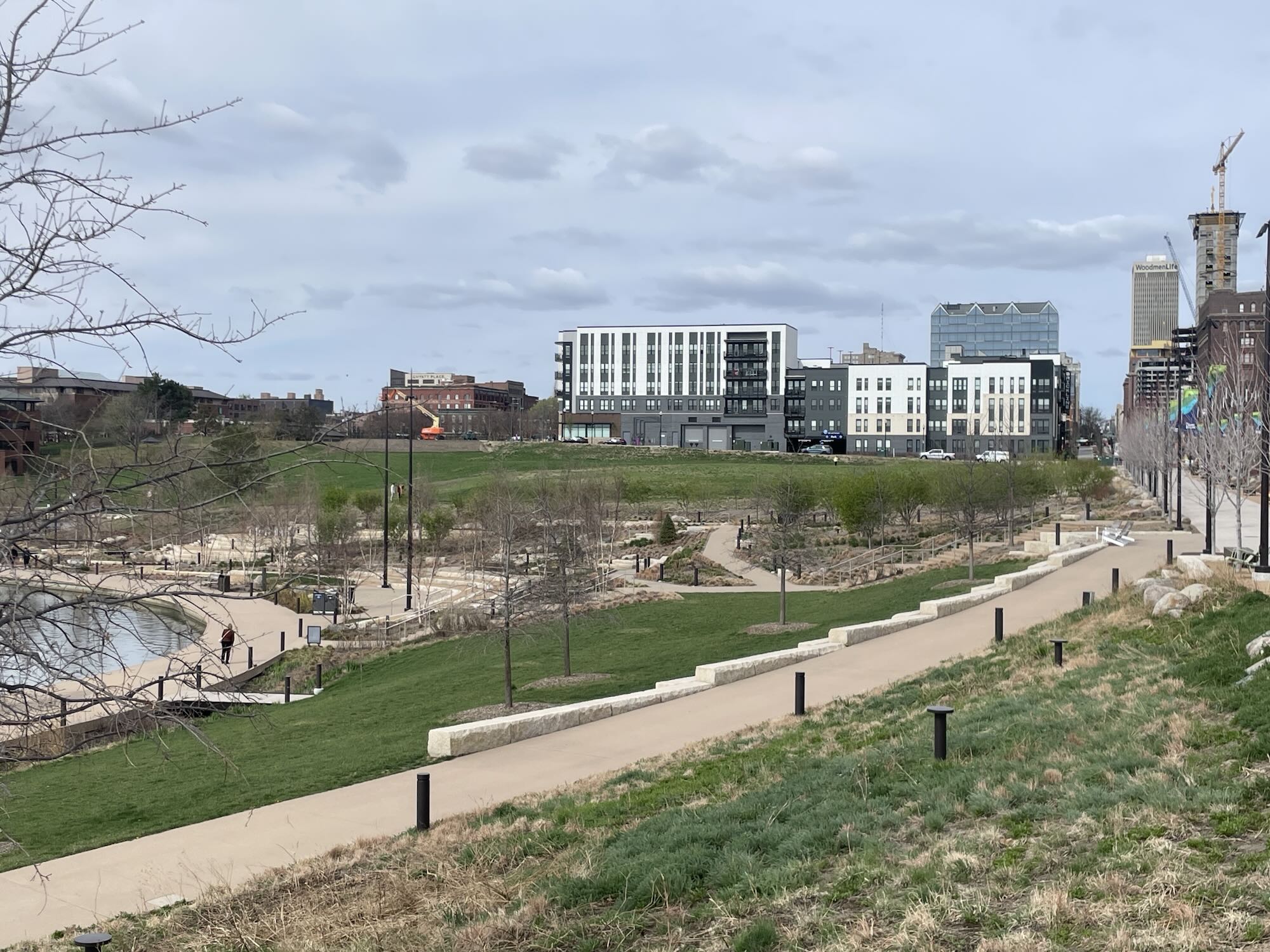
The Market Cities team at Project for Public Spaces completed two phases of planning for a potential new public market in Omaha, Nebraska. The team conducted benchmark research of other markets in North America, robust engagement of the Omaha community through surveys, workshops with vendors and customers, and stakeholder interviews, in addition to creating an initial business plan for the start-up and ongoing operation of the market. All of the input gathered through this research and engagement were foundational in the creation of the proposed program and vision for the future public market, one that reflects the needs and desires of all Omahans.
THRIVING COMMUNITIES Program
National | Client: U.S. Department of Transportation | Prime Consultant: Main Street America
From 2023–2024, as part of the U.S. Department of Transportation's Thriving Communities Program, Lead Capacity Builder Main Street America partnered with Project for Public Spaces and other organizations to deliver technical assistance and training to 20 under-resourced rural and tribal communities to help them access federal infrastructure funding to advance equitable commercial district development. The work reflects a core belief that Main Streets are more than roads; they are critical infrastructure connecting people to housing, jobs, healthcare, education, and economic opportunity.
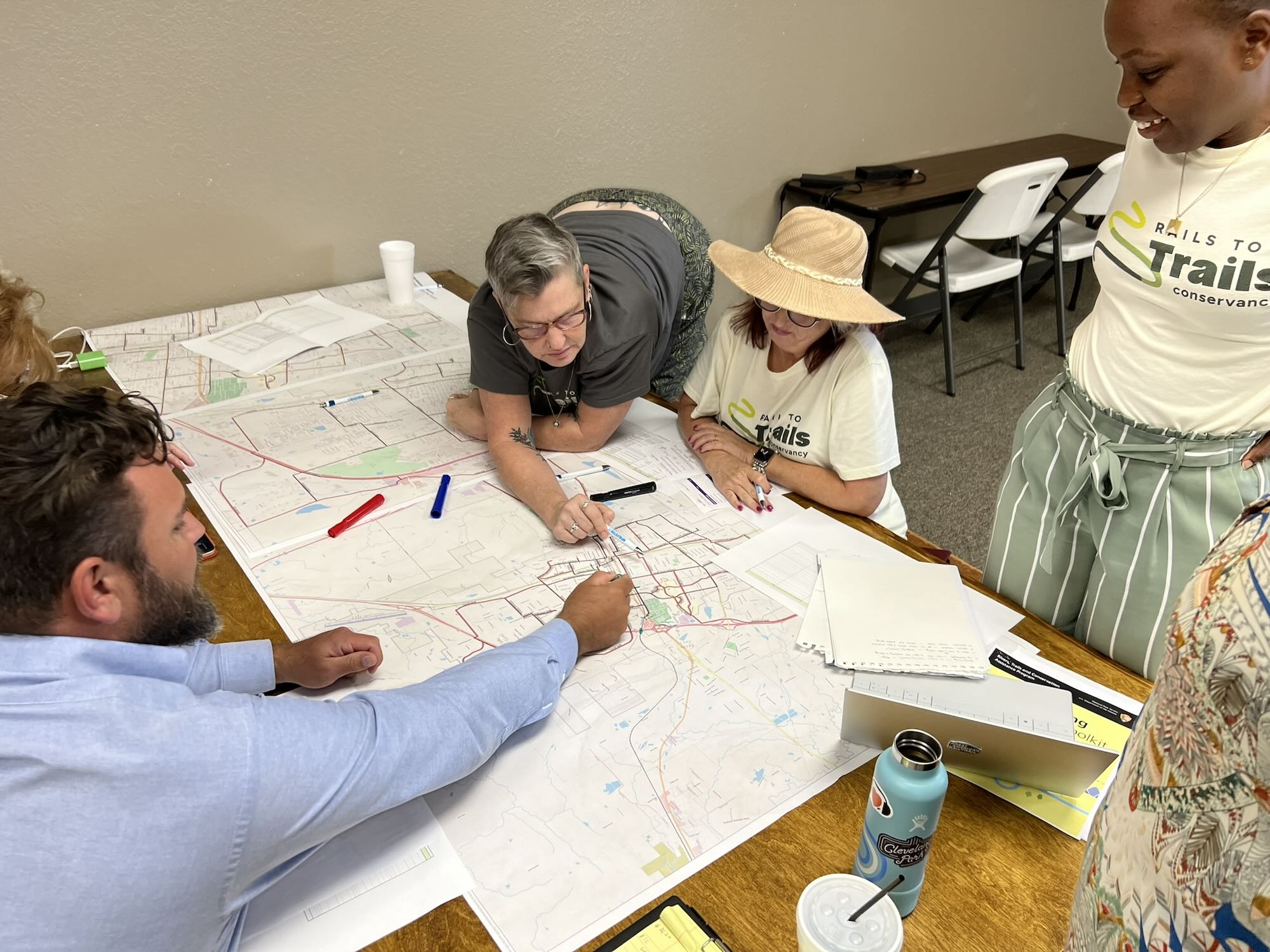
In 2025, to share lessons learned in the two-year, on-the-ground work, the team hosted a webinar enlisting program partners, including Emily Putnam, Project for Public Spaces’ Project Manager, to highlight key learnings from the program. In addition, PPS contributed to the Thriving Communities Transportation Toolkit, a free guide for local leaders that covers community engagement, partnership-building, project development, and funding navigation. In it, you’ll find classic PPS methodologies like the Power of 10+ and the Place Game and learn how they were applied to communities like McAlester, Oklahoma, by inviting stakeholders to map out and rating existing destinations as well as coming up with new opportunities. Together, this body of work reframes transportation infrastructure as a vehicle for broader transformation, one that connects neighborhoods, expands opportunity, and builds more accessible, vibrant, and resilient communities.
Trainings & Webinars

Our signature training courses Placemaking: Making It Happen and How to Create Successful Markets, as well as our webinars, offer in-depth case studies, immersive and interactive experiences, and seasoned trainers to help professionals of all levels learn how to make community-powered change happen in public space. In our dedication to making our events as accessible as possible, Project for Public Spaces not only strives to provide affordable and sliding-scale registration fees, but in 2025 we were thrilled to offer over 100 pay-what-you-can scholarships, valued at $27,000, for those who could not afford the full price of these courses.
Moreover, in 2025, our Made by All webinar series responded to urgent national challenges by providing programming at the intersection of public space and civic life. The July webinar Protecting Civic Life & Liberties in Public Space brought together leaders in civil liberties, civic engagement, and placemaking to explore how public spaces can support democracy when fundamental rights feel under threat. In November, Navigating SNAP Cuts: How Market Leaders are Adapting, co-hosted with the Farmers Market Coalition, equipped market operators with strategies to protect their communities in the face of federal nutrition assistance cuts. Together, these offerings reflect PPS’s commitment to providing timely, practical knowledge on the issues shaping the field and public life. In light of the rapidly intensifying landscape for public protests and shrinking federal support for the most vulnerable, we made both webinars freely available—encouraging our audience to share these resources widely, in the belief that public spaces remain essential infrastructure for community resilience and a stronger democracy.
Placemaking Funders Forum
In response to a challenge that has defined the field for decades—securing funding for capital improvements and ongoing operating costs of community-driven public spaces—we’re proud to have launched the Placemaking Funders Forum in 2025. Currently a community of nine members, including foundations, corporate social responsibility programs, and public-sector funders, the Forum aims to coordinate across sectors, strengthen grantee support, and streamline grantmaking for greater impact. This inaugural year focused on listening: surfacing the biggest challenges, opportunities, and questions members face in their placemaking work to shape the programming ahead. A highlight was our session on the changing federal funding landscape, featuring guest Kelly Humrichouser, Senior Director of Government Relations at Main Street America—the first of what has become an ongoing series covering technical assistance, research, and place management. We're just getting started and we look to grow the Forum in 2026!
The Market Cities Network
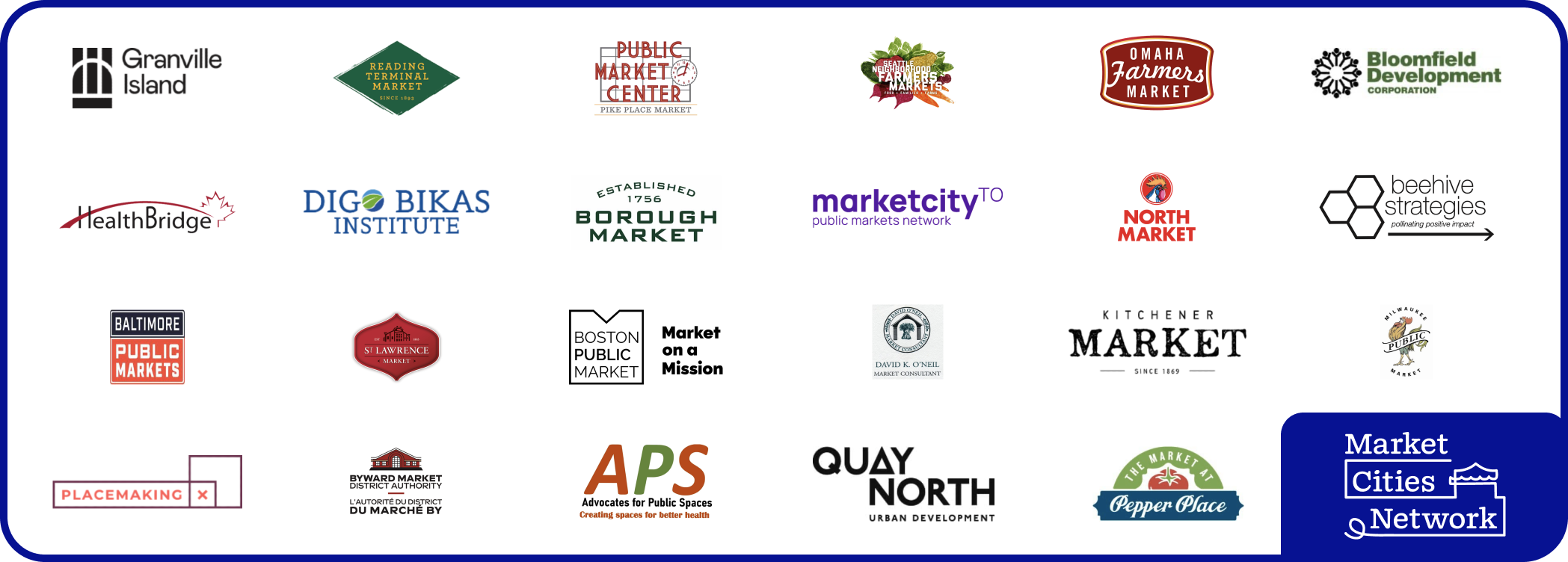
Our Market Cities Network—a forum bringing together leaders from over 50 public market organizations around the world—celebrated its second anniversary this year and welcomed three new organizational members. We facilitated knowledge-sharing on pressing topics including how markets can navigate the impacts of US federal funding and SNAP cuts, and strategies for strengthening vendor relationships and trust. Members collaborated to troubleshoot Eastern Market Detroit's market district planning challenges, learned from London's Borough Market about their tenant lease expiry process, and helped shape the program for our 12th International Public Markets Conference in Milwaukee. A major milestone this year was the Network's policy and planning affinity group developing a new framework to help Market Cities make the case for public market support to decision-makers and funders, formally announced through the first article of an ongoing series in 2026.
In the News

Project for Public Spaces’ leadership and programs are increasingly the focus of media across the United States. In 2025, our work and influence were mentioned or featured in 68 articles and our organization leaders participated in interviews with local, regional, and national outlets such as The New York Times, Eater, The Boston Globe, Gothamist, and NPR, discussing important topics like the power of placemaking, the loneliness epidemic, third places, and the countless intersections between public spaces and public life.
Eater | “There Is No True Third Place”
FOX 8 | “Cleveland Public Square Hospitality Kiosk Now Open”
Gothamist | “The Midtown Movie That Changed NYC’s Sidewalks and Plazas is Coming to Theaters”
NPR’s 1A (WAMU 88.5FM) | “In Good Company: Beating Loneliness, Building Better Public Spaces”
The Boston Globe | “Boston Public Market is Still Finding Its Way”
The New York Times | “Why the New York Bodega Is Here to Stay”
Expenses
Fiscal Year: January 1, 2025–December 31, 2025*

*Unaudited.
People
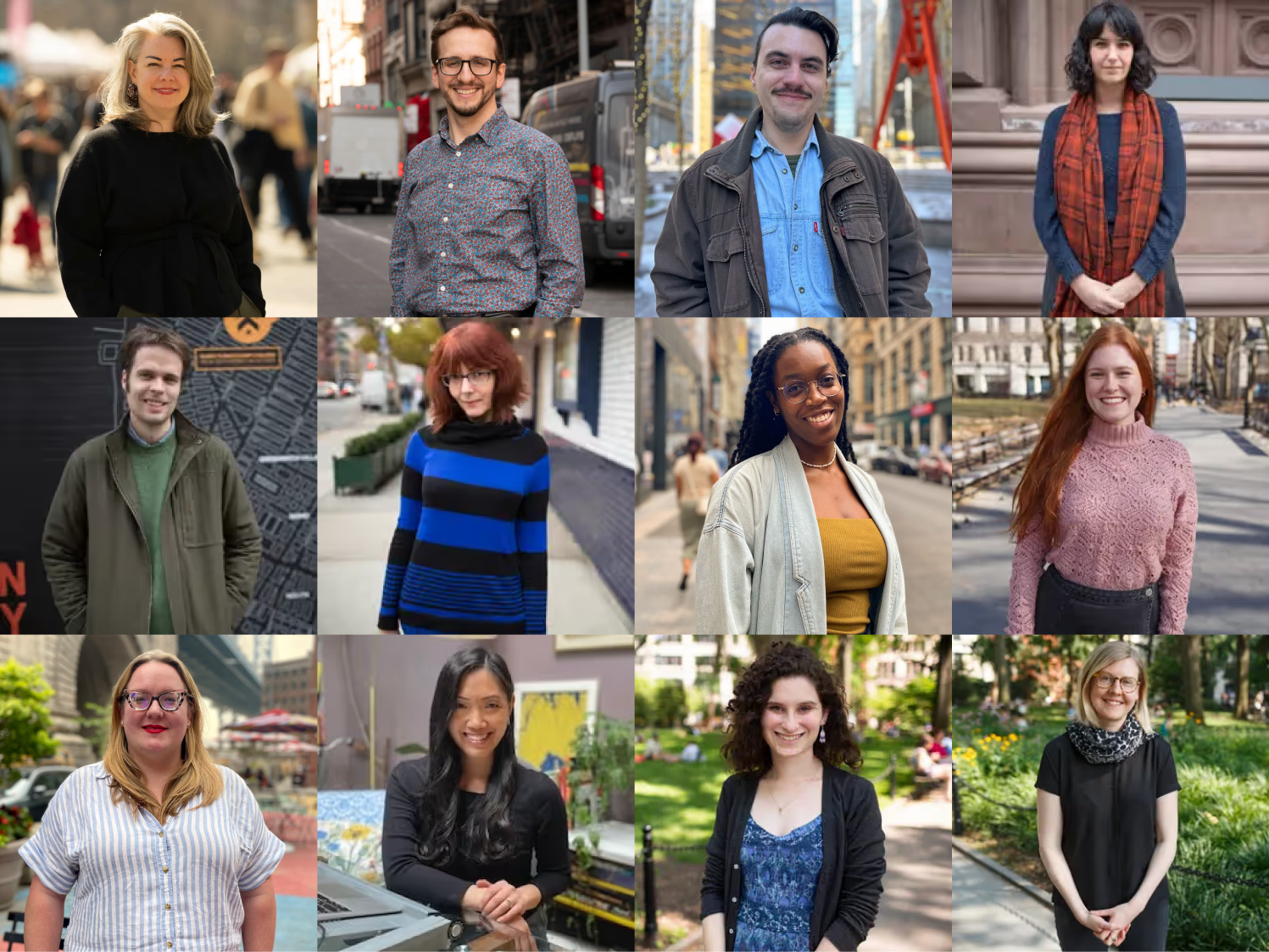
Our Staff
Leadership
Nate Storring, Co-Executive Director
Kelly Verel, Co-Executive Director
Communications
Josh Kent, Senior Design Lead
Anne Tan-Detchkov, Director of Communications & Marketing
Development
Jacob Cohen, Development Manager
Events
Juliet Kahne, Director of Events
Rebecca Weiser, Senior Associate, Events & Development
Finance & Operations
Pamela Reichen, Director of Administration
Market Cities
Kurt Wheeler, Senior Program Manager, Market Cities
Placemaking
Elena Madison, Director of Projects
Temishi Onnekikami, Project Associate
Emily Putnam, Program Manager, Placemaking
In Memoriam: Kathleen A. Madden (1947-2025)
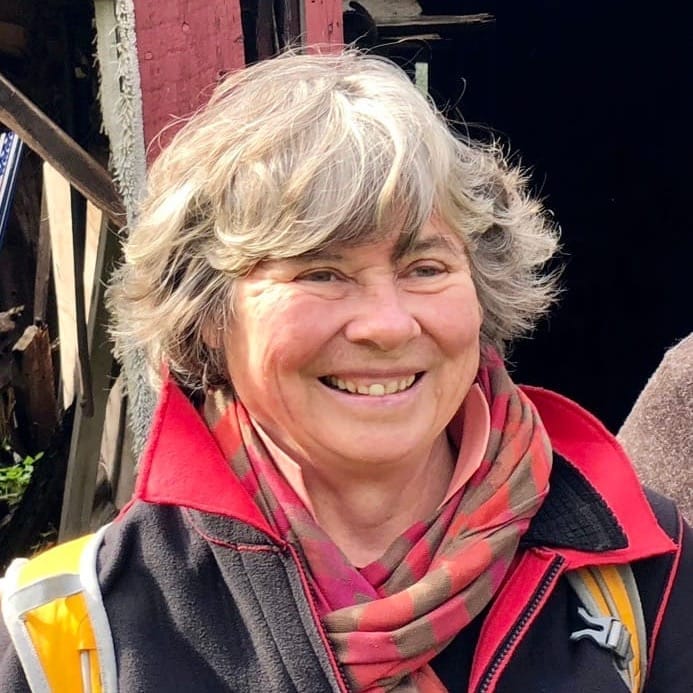
In 2025, it was with great sadness that we learned of the passing of our beloved co-founder Kathy Madden. She dedicated her life to the belief that great public spaces have the power to transform communities. Through her pioneering work in placemaking—from co-founding Project for Public Spaces and The Social Life Project to inspiring thousands of leaders worldwide—she made that belief a reality.
Our Board
Reena Agarwal, Chair
Todd Palmer, Vice Chair
Ellen Abraham, Treasurer
Lisa Knip, Secretary
David Burney
Ricardo Byrd
Max Crema
David Koren
Julia Kraeger
John Low-Beer
Bridget Marquis
David Park
Mitchell Silver, FAICP, Hon. ASLA
Thank You to Our Supporters
Institutional Support
Event Sponsors & SupPorters
Educators Credit Union
Food + Farm Exploration Center
Garver Feed Mill & Ian’s Pizza
HNTB
Historic Third Ward Association
Laffey, Leitner & Goode LLC
Marketspread
Milwaukee Downtown
Milwaukee Economic Development Corporation
Molson Coors Beverage Company
Robertson Ryan Insurance
Sotonoba
Sunset Investors
Swipeworks
TKWA
The Farmers Market Pros
Tito’s Vodka
Wisconsin Economic Development Corporation
Wisconsin State Cranberry Growers Association
Individual Donors
Anonymous
James Baker
Steve Davies
Richard J. Dolgonas
Ezekiel Ervin
Philip Evans
Doug Freeman
Aaron Greiner
Chris Kay
Seungsik Kim
John Liu
Nyesha McCauley
Eric McNulty
Rodney Moulden
Philip Myrick
Laura Perkins
Patrick Sugg
Anne Tan-Detchkov
Randy Trumbauer
Kelly Verel
Austin Community Fund (Jennifer Vickers)
Walker Brands (Tara Walker)
Rob and Christine Warner
Henry Webster-Mellon
Thank You to Placemaking Funders Forum Members
Members
Austin Parks Foundation
Charlotte Urban Design Center
The Conservation Fund*
Dalio Philanthropies*
Driehaus Foundation
Hyde Family Foundation
Jessie Ball DuPont Fund
The Kresge Foundation
Levitt Family Foundation*
Realtor
Patronicity
William Penn Foundation
*joined 2026
Thank You to Market Cities Network Members
Sustaining Members
Advocates for Public Spaces
Baltimore Public Markets Corporation
Beehive Strategies
Bloomfield Saturday Market/ Bloomfield Development Corporation
Borough Market
Boston Public Market Association
ByWard Market District Authority
CMHC-Granville Island
David K. O'Neil
Digo Bikas Institute (DBI)
HealthBridge
Kitchener Market
marketcityTO
Milwaukee Public Market
North Market Development Authority
Omaha Farmers Market
Pike Place Market PDA
PlacemakingX
Quay North Urban Development
Reading Terminal Market Corporation
Seattle Neighborhood Farmers Markets
St Lawrence Market (City of Toronto)
Members
Adelaide Central Market Authority
Australian Craft and Food Markets
City Market - Kansas City
City of Philadelphia Parks and Recreation
Cortona LLC
Flint Farmers' Market
French Market Corporation
Grand Rapids Downtown Market
James Beard Public Market
Madison Public Market Foundation
Market Central
NewBo City Market
NYCEDC
Penn State Extension
Prahran Market
Rochester Public Market
Rui Izumimya, Sotonoba Place
Saint John City Market
Sampaguita Studio
San Francisco Ferry Building Marketplace
Selden Market / Downtown Norfolk Council
South Melbourne Market
TANDEM design studio
University of Toronto (Feeding City Lab)
Urban Food Connections of Utah
Vancouver Farmers Markets
Victoria Niewalda
Project for Public Spaces is a 501(c)(3) tax-exempt organization. Donations are tax-deductible within the guidelines of U.S. law.


