The Placemaking Round-Up
A biweekly newsletter with public space news, resources, and opportunities.
The Biweekly Bazaar
A curated dispatch on all things public markets plus the latest announcements from the Market Cities Program.
A biweekly newsletter with public space news, resources, and opportunities.
A curated dispatch on all things public markets plus the latest announcements from the Market Cities Program.
The 13th International Public Markets Conference is coming to New York City May 20-22, 2027! Co-hosted by the New York City Economic Development Corporation (NYCEDC), the event will take place over three days and feature a plenary, breakout sessions, market tours, mobile workshops, networking receptions, and more.
Guided by the theme, The Future of Markets in a City We Can Afford, the conference will bring together market operators, vendors, city leaders, and placemakers from around the world to explore how public markets serve as anchors of shared prosperity.
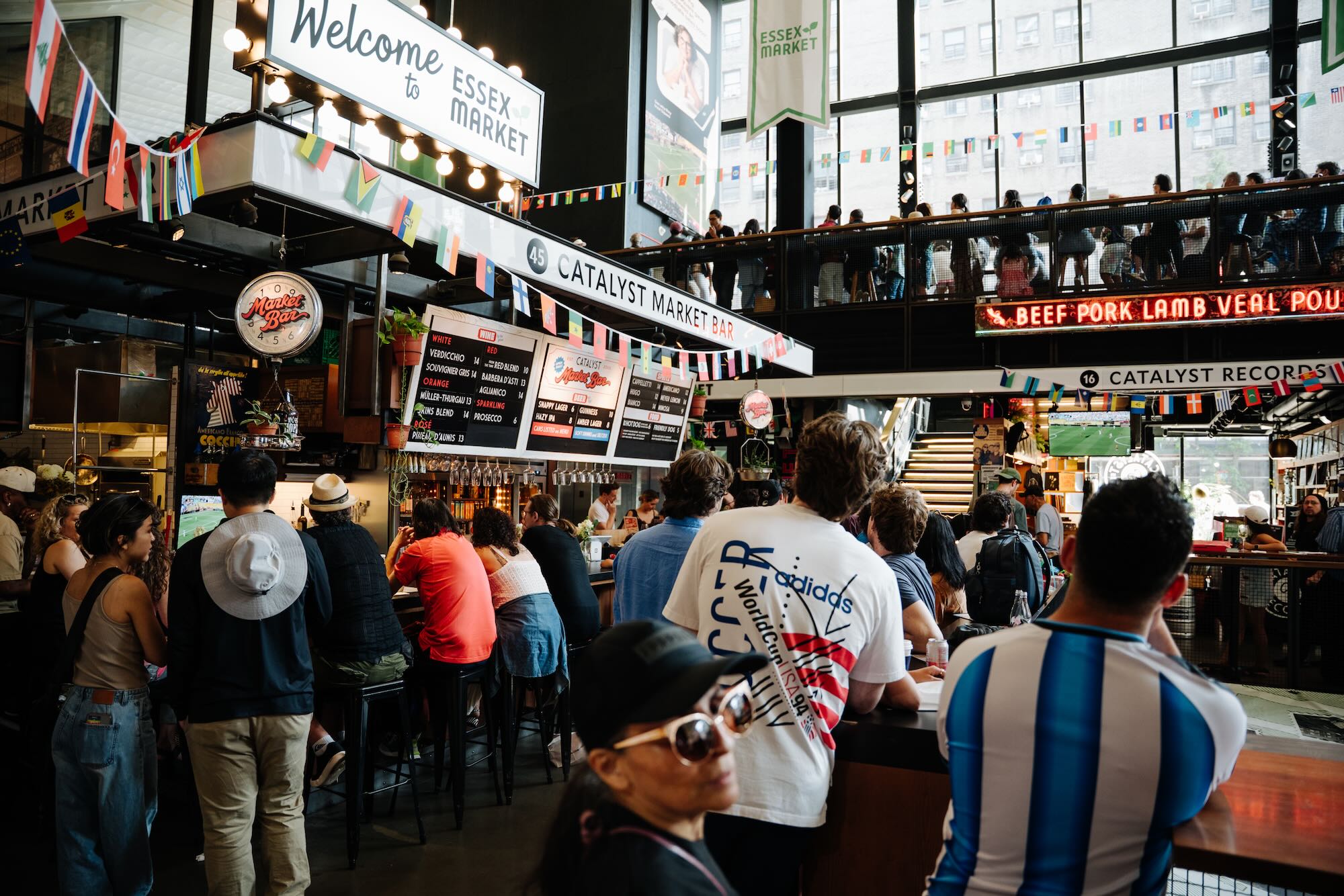
New York's markets are more than transactional spaces. They are the public places where you can see a fairer, more affordable city come to life. New York City has spent nearly a century building an ecosystem of markets to get food to people and unlock economic opportunity along the way. Since 1937, the city-owned Public Retail Markets have served as culinary gathering places for generations of New Yorkers. Originally a 10-market system built to provide affordable fresh food, it is today a living record of the city’s history and street vending culture through the six markets that remain. Beyond these markets, New York has grown into a much wider five-borough system of market halls, farmers markets, street vendors, and food distribution hubs that touches nearly every corner of the city's economic and cultural life.
Let's explore why these places matter and why New York City’s market system makes it the perfect place to gather, learn, and imagine what's next for market leaders and placemakers everywhere.
Here are four reasons to join us in NYC:
Economic justice means ensuring that everyone—regardless of income or neighborhood—has access to the food they need. Public markets play a vital role in creating more equitable food systems by connecting communities to fresh, culturally relevant, and affordable food, while providing opportunities for small businesses and local entrepreneurs to thrive.

New York's market system is an engine of entrepreneurship, especially for immigrant, minority, and neighborhood-based business owners, whose market stall or vending opportunity is one of the most accessible entry points into New York's broader economic life. The city's street vending economy is an exemplary case study of this dynamic: 96% of street vendors were born outside the U.S. and 98% are people of color. The City's Public Retail Markets extend that same principle into their mission, which names entrepreneurial job creation and shared prosperity as core goals. Collectively, NYCEDC’s public markets serve 45,000 people annually and provide a place of business for 87 small businesses. At Essex Market alone, more than half of the vendors are immigrant-, minority-, or women-owned. And because NYCEDC’s public markets are focused on creating shared prosperity across the five boroughs by providing affordable, healthy food, vendors benefit from a lower barrier to entry. Tenants are offered lower rents and long-term leases, thanks to this program being primarily funded through revenues generated by the 220 city-owned properties managed by EDC. As a result, New York City's Public Markets can be seen as an economic and cultural driver in communities across the five boroughs.
The conference will explore how public markets can advance both food access and economic opportunity—connecting consumers with fresh, affordable food while creating pathways to entrepreneurship, employment and economic mobility for vendors and local businesses.
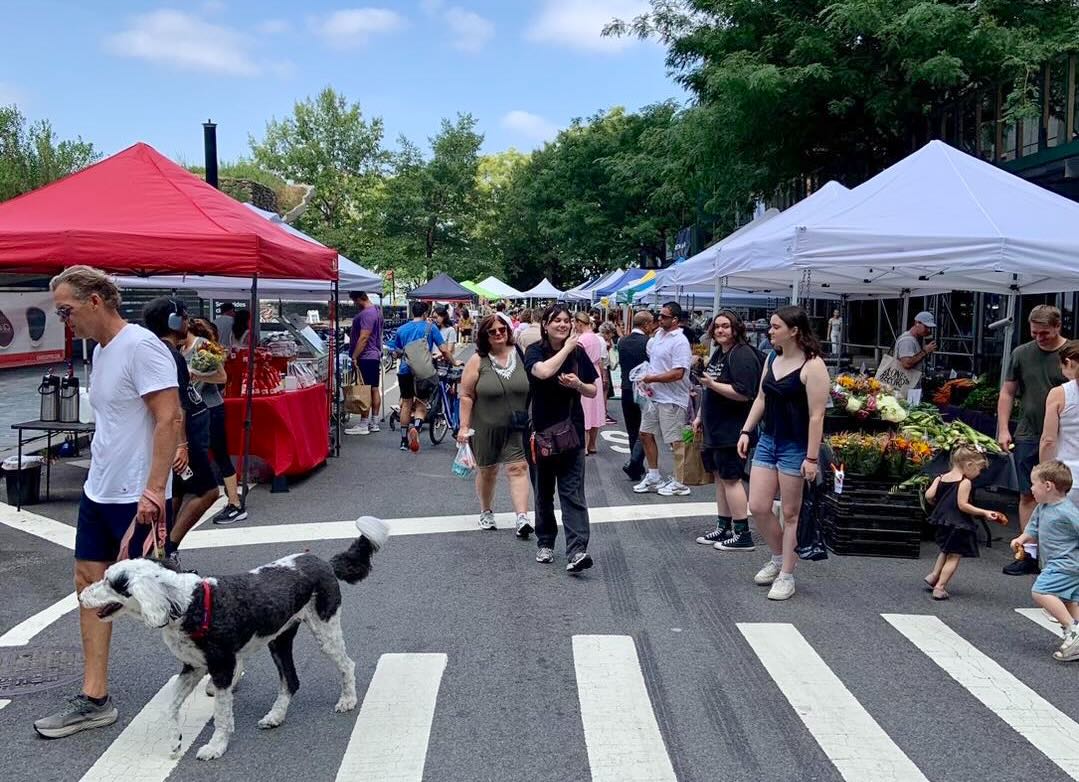
In an area where the Consumer Price Index for food rose 3.4 percent over the past year, New Yorkers lean on the city's abundance of farmers markets at more than 140 locations, most of which accept assistance funds from the Supplemental Nutrition Assistance Program (SNAP) and other subsidy programs. Last year alone, GrowNYC redeemed $5.4 million in nutrition benefits across its markets and Food Hub, funds that simultaneously support low-income New Yorkers and uplift regional farmers who might otherwise struggle to reach urban customers. Programs like Health Bucks, which matches every $2 in SNAP spending with $2 in fresh-food incentives (up to $10 a day), and Fresh Bites at Essex Market, which offers free cooking and nutrition education, show how markets can be designed to actively close the affordability gap rather than simply reflect it.
If you want to get to know a city's culture, a market is a great place to start. And few cities offer a market system as diverse or as deeply woven into neighborhood identity as New York.
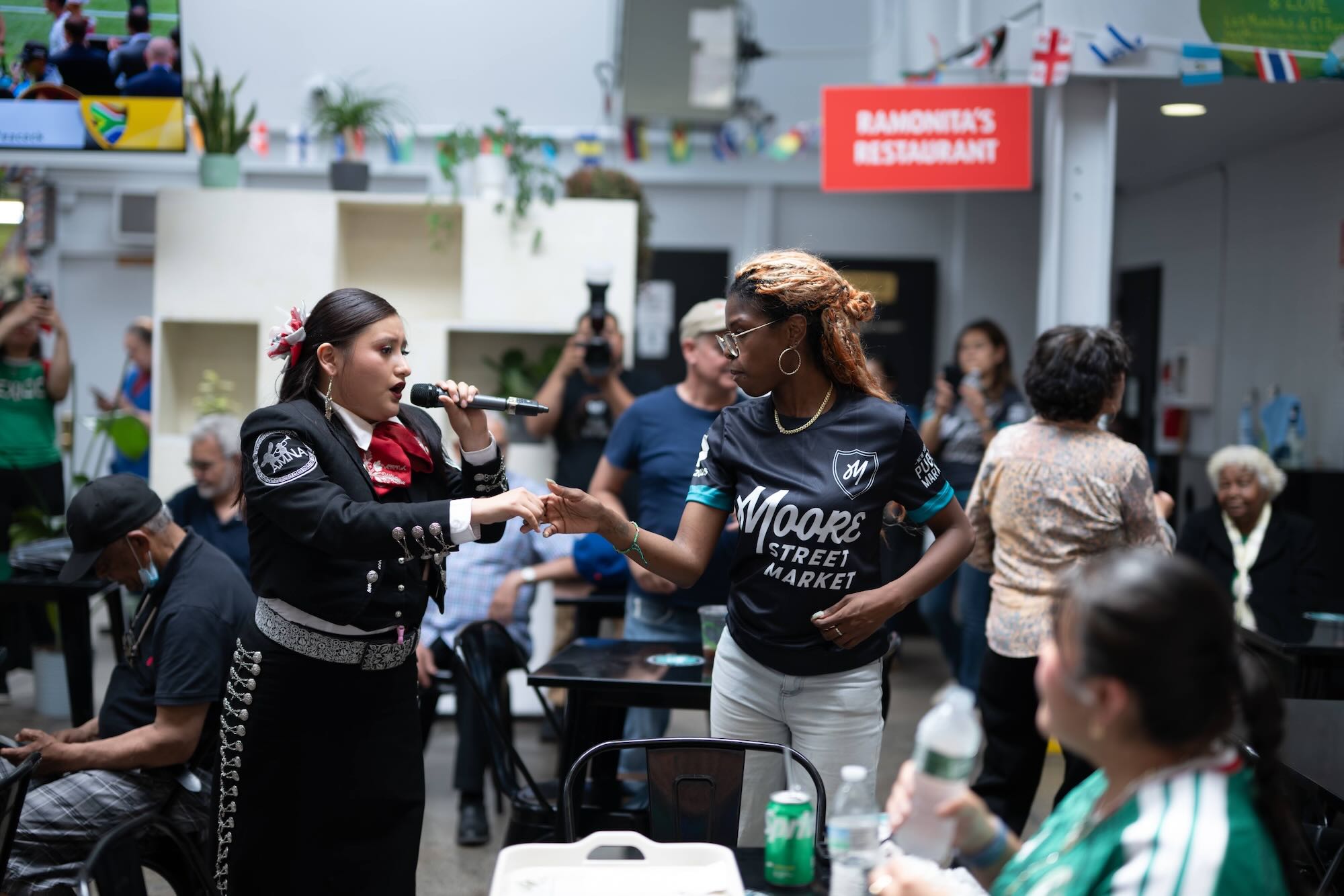
Beyond their role as places to shop, these markets are essential public spaces that promote social connection and well-being. Each market functions as a de facto town square and community gathering destination: a place where neighbors run into each other, vendors become fixtures of daily life, and a city's diversity is on full display. Essex Market in the Lower East Side is rooted in the neighborhood's long history as a gateway for immigrant communities. Moore Street Market in East Williamsburg has long been a hub of the neighborhood's Latino community. La Marqueta in East Harlem is a cornerstone of the area's Puerto Rican and broader Latino heritage. Arthur Avenue in the Bronx's Little Italy is anchored by generations-old Italian butchers, bakers, and grocers.
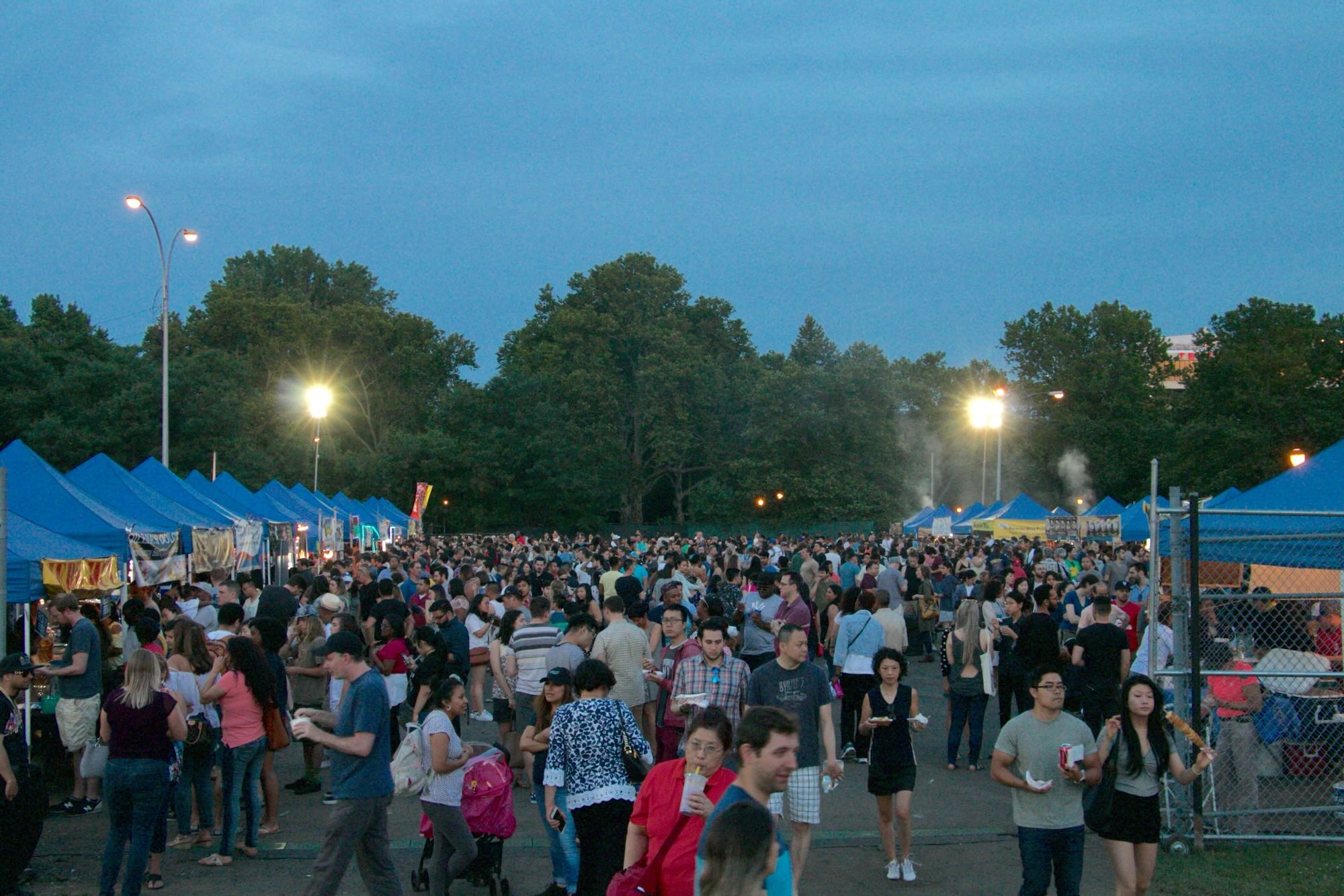
This spirit of community carries over to over 140 farmers markets found throughout the city, including those overseen by GrowNYC, Down to Earth Markets, Harvest Home, and independent operators); alongside the Queens Night Market, Harlem Night Market, Smorgasburg, and Chelsea Market, which offer a few more examples of how markets create ample reasons for the city to gather.
.jpeg)
New York is currently one of the country’s most closely watched testing grounds for municipally-led approaches to expanding food access. The city is advancing five public grocery stores, one for each borough, as part of a broader push to tackle food insecurity, which currently affects over 40% of NYC families. The first Manhattan site has been identified, adjacent to La Marqueta in East Harlem, with a roughly 9,000-square-foot store expected to open in 2029.
"Nearly a century ago, Mayor La Guardia built what is now La Marqueta so pushcart vendors in East Harlem had a safe place to sell and New Yorkers had somewhere to buy affordable, healthy food," said NYC Mayor Zohran Mamdani in a press release. "We're building on that same idea with the city's new public grocery stores, one in every borough. Public markets have always been part of how our city works, and I'm glad leaders from around the world will get to see how New York does it when they're here in May."
Amid a national conversation about the viability of public grocery stores, New York offers conference attendees a window into this experiment in public food infrastructure and the role public markets could play.
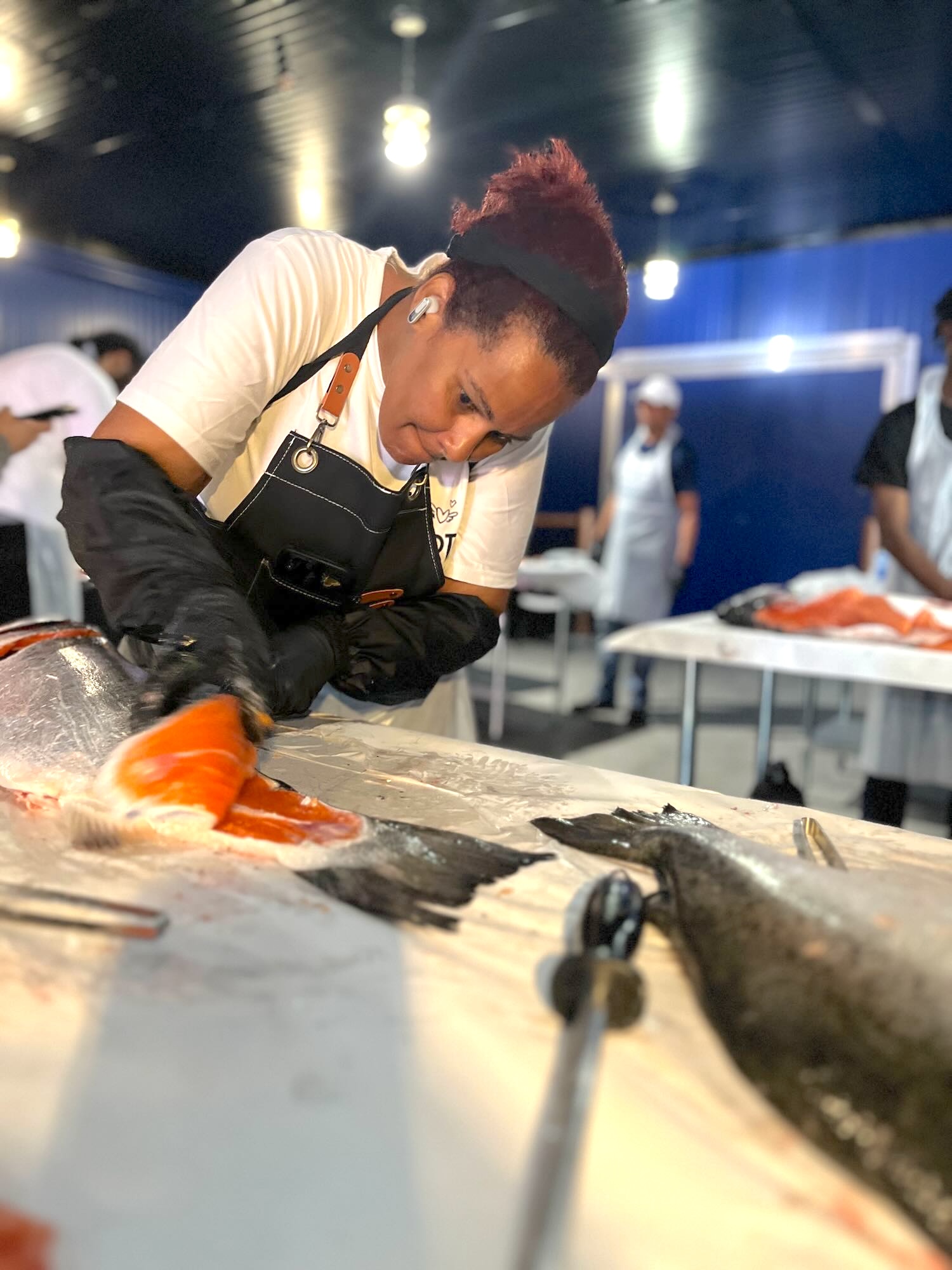
Conference attendees will have the unique opportunity to experience an entire food ecosystem in one city, from a single neighborhood vendor to the largest food distribution hub in the world. At Hunts Point in the Bronx, an estimated 4.5 billion pounds of food move through the Food Distribution Center each year, supporting roughly 8,500 direct jobs and supplying 12% of all the food distributed in NYC. Half of that produce stays in the city; the rest moves on to feed the broader region. The adjacent Hunts Point Terminal Produce Market alone generates more than $2 billion in annual revenue, representing about 60% of all produce sales within New York City. Together, these numbers make Hunts Point not just a New York story, but a snapshot of how a city feeds a region.
-
At a time when conversations across the U.S. and beyond are focused on affordability, economic justice, and community connection, the diversity of New York's market ecosystem offers a compelling look at what's possible when we work toward treating markets as essential infrastructure.
If you're passionate about public markets and eager to explore how food access, entrepreneurship, and public space intersect in one of the world's great cities, join us for the 13th International Public Markets Conference in New York City. Across breakout sessions, market tours, and conversations with the people building and running this system on the ground, you'll see firsthand what it takes to keep them running and the work still ahead for a city we can afford.
For the latest information about our upcoming Call for Proposals opening in October, registration, and the many great places we’ll be visiting, check our conference website and sign up for our newsletter, the Biweekly Bazaar.
The rich text element allows you to create and format headings, paragraphs, blockquotes, images, and video all in one place instead of having to add and format them individually. Just double-click and easily create content.
The rich text element allows you to create and format headings, paragraphs, blockquotes, images, and video all in one place instead of having to add and format them individually. Just double-click and easily create content.
Body Text Body Link
The rich text element allows you to create and format headings, paragraphs, blockquotes, images, and video all in one place instead of having to add and format them individually. Just double-click and easily create content.
Here is some highlighted text from the article.

Headings, paragraphs, blockquotes, figures, images, and figure captions can all be styled after a class is added to the rich text element using the "When inside of" nested selector system.
Headings, paragraphs, blockquotes, figures, images, and figure captions can all be styled after a class is added to the rich text element using the "When inside of" nested selector system.
Headings, paragraphs, blockquotes, figures, images, and figure captions can all be styled after a class is added to the rich text element using the "When inside of" nested selector system.

We are committed to access to quality content that advances the placemaking cause—and your support makes that possible. If this article informed, inspired, or helped you, please consider making a quick donation. Every contribution helps!
Project for Public Spaces is a 501(c)(3) tax-exempt organization and your donation is tax-deductible within the guidelines of U.S. law.
.avif)