June 13 & 14, 2013

If we can develop and design streets so that they are wonderful, fulfilling places to be – community-building places, attractive for all people – then we will have successfully designed about one-third of the city directly and will have had an immense impact on the rest.“ - Great Streets by Alan Jacobs

How To Fully Complete Your Streets

You don’t have to be a transportation professional to have an impact on the streets and sidewalks in your community. The Streets as Places training course offered at Project for Public Spaces (PPS) is for anyone trying to bring about change to their public realm.  From health professionals to bicycle advocates, community activists to transportation professionals, Streets as Places can help you achieve your goals.

With more than 500 Complete Streets policies now in effect in the United States, many communities are asking what comes next. Communities have made amazing progress deploying Complete Streets policies. However, Complete Streets is primarily an engineering policy that reallocates space between modes. Streets as Places combines PPS’s street design expertise with its celebrated Placemaking approach to show you how your community can get people out of there cars by creating great places and destinations that people want to walk and bike to. Streets as Places aims to complete communities.

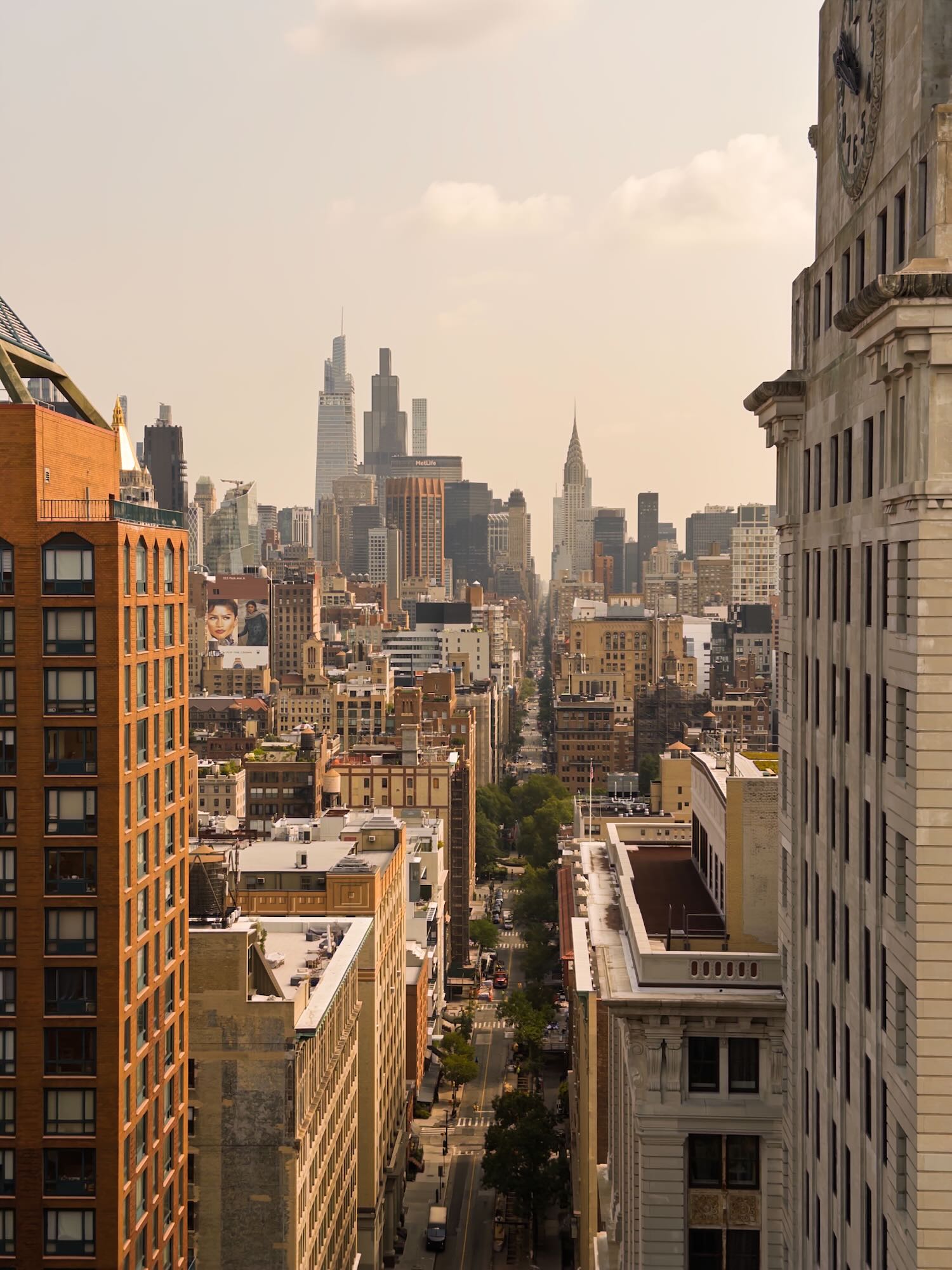
Our training is held in the heart of New York City, which has established itself as a leader in how streets are designed. Over the last 6 years, New York has become a laboratory for innovation through dozens of NYC Department of Transportation projects that exemplify its brave ideas about how streets should work; its willingness to experiment; its agility in trying new approaches; and the economic and health gains it has accomplished. Participants will hear the city’s story from the citizen advocates and the transportation professionals who made it happen.

Additional examples of this approach from throughout North America and Europe will be highlighted in the course along with new concepts for “rightsizing” streets, often referred to as road diets.  PPS will describe case studies of how “rightsizing” has improved safety and achieved transportation outcomes, and other research that we have done for the Federal Highway Administration’s Context Sensitive Solutions website. The Director of the National Center for Biking and Walking will talk about national and international innovations in bicycle infrastructure, including bike share systems and how cities are getting them to happen.

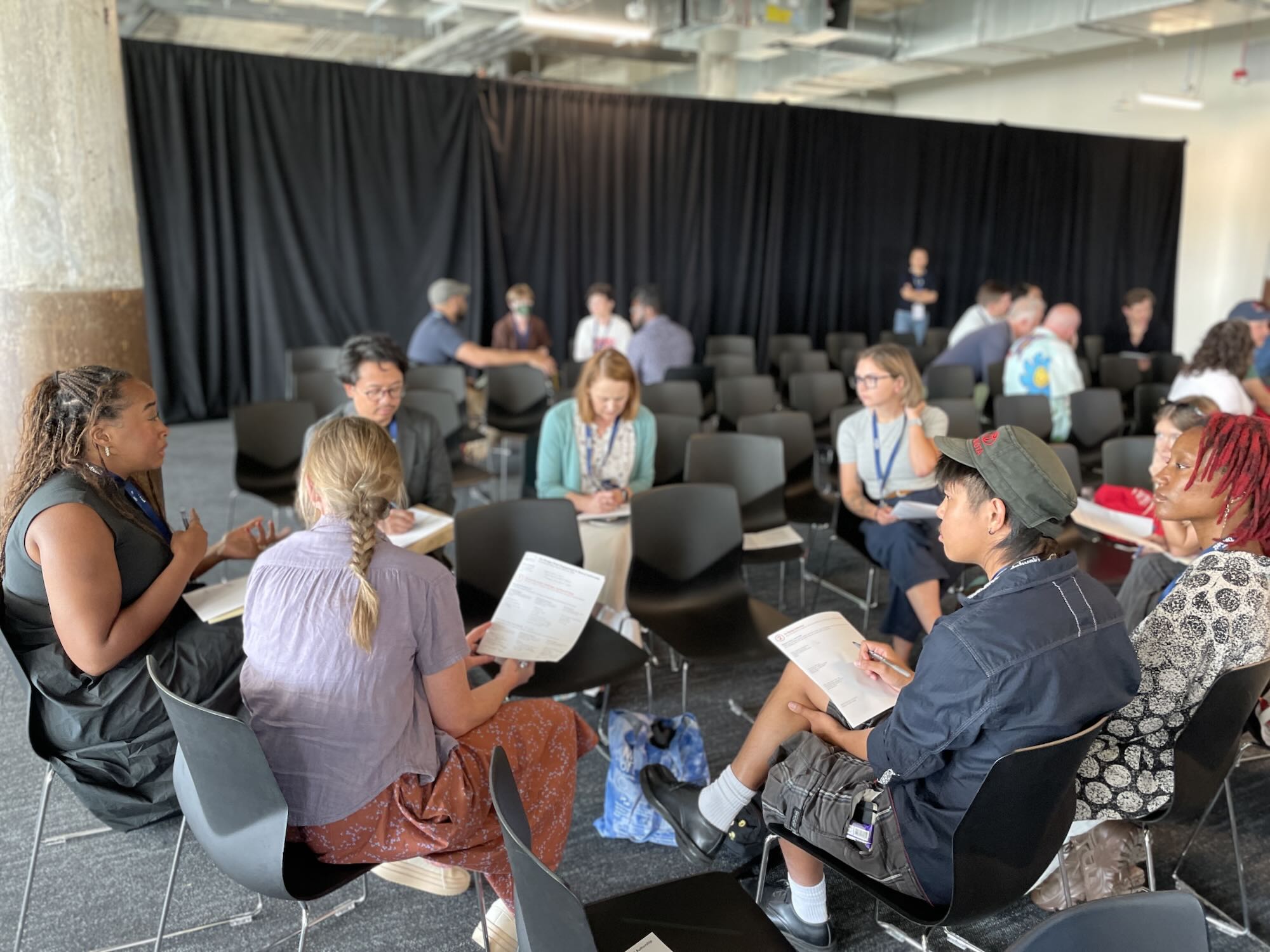
Course participants will be instructed on how to engineers, planners and citizens can communicate and collaborate with one another to achieve community outcomes and pursue mutually beneficial solutions.  To introduce participants to creating streets that serve community needs as opposed to a traffic function alone, participants will do an interactive street typology exercise where they come up with the definition and characteristics of streets based on their role in the community.

Finally, we will discuss how using a Lighter, Quicker, Cheaper (LQC) approach can be a real asset in breaking down resistance and building support, attracting reinvestment and encouraging more people to become involved in affecting transportation changes in cities.

Other Topics will Include

  • Community based Street Typology – how to define a wide range of street types that address both transportation mobility and community goals drawing upon the pioneering work of cities such as Charlotte, Portland, Savannah and rural communities such as Brunswick Maine
  • Healthy Street Design – how street design can promote community health and economic vitality
  • Placemaking and Streets –tools and techniques such as context sensitive solutions, shared streets, and complete streets for designing streets as places
  • Community Engagement – how to do it effectively and without pain
  • Dealing with your Transportation Agency – how citizens can succeed in getting better outcomes from transportation departments and engage them in making short term experiments on streets and sidewalks
  • Pedestrians and Bicycles – linking destinations through pedestrian and bicycle friendly streets and how to incorporate bicycle lanes and multi-modal infrastructure in urban and rural areas where street space is limited
  • Sidewalk Design – using amenities, retail displays and storefronts to generate foot traffic and economic return
  • Thinking Beyond the Station – designing and planning neighborhoods around transit stations
  • Placemaking and Sustainability Campaigns – sidewalks, streets, and highways that benefit communities
  • Action Planning – how communities such as New York City, Pittsburgh, Seattle, San Francisco, and Brunswick, Maine are using Action Planning and street improvement experiments to transform their streets into quality public spaces


Who Should Attend

It is intended for anyone who is interested in creating a great street, learning more about how streets can contribute to better communities, and understanding the social and economic benefits that can result from changing the way that streets are thought about and designed. The course is also intended for transportation and health professionals, civic and elected officials, street designers, citizen advocates, city planners and designers, downtown managers, and people who understand that the time for change is now!

Training Course Location

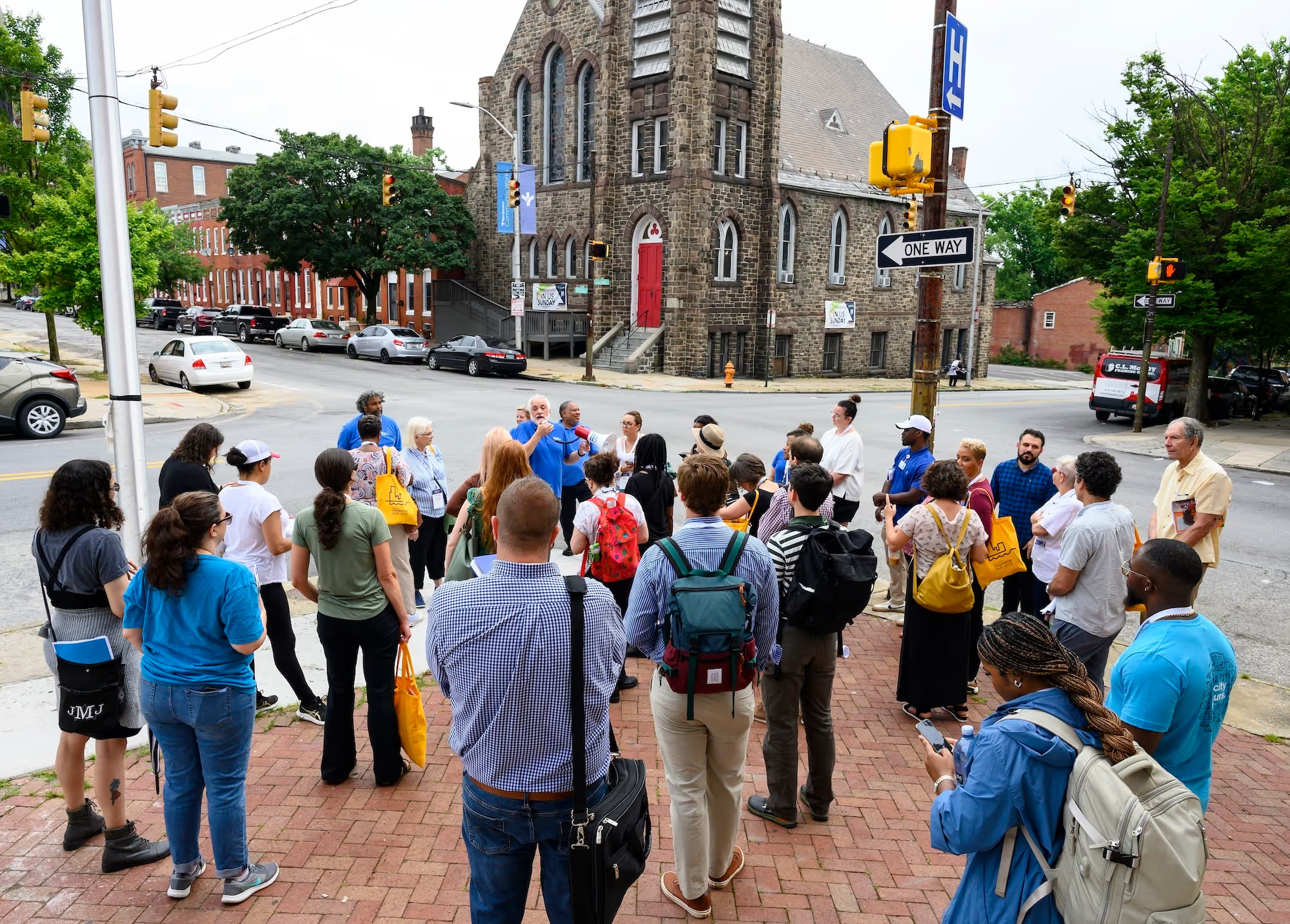
The training course will take place in New York City at PPS’ new office at 419 Lafayette St, 7th Floor as well as in the streets of New York. Visiting New York City is an educational experience in itself. And, in recent years, the streets of New York City have been undergoing a transformation – from congested conduits for vehicular traffic to streets that are now making room for separated bicycle lanes, dedicated bus lanes, wider sidewalks, and public plazas.

Project for Public Spaces (PPS): Training Course Host

Project for Public Spaces, Inc. is a non-profit technical assistance, research, and educational organization.

We believe that transportation investments – in both streets and transit facilities – have enormous potential to reshape communities and be catalysts for more livable, economically viable and sustainable cities. PPS’s initiative, Building Communities through Transportation, provides the framework through which cities can work in partnership with transportation agencies to achieve this critical goal. Streets as Places is a key component of this initiative.

Click here for more information on PPS’s Building Community through Transportation initiative.

Instructors for this course are:

  • Gary Toth, PPS Director of Transportation Initiatives and former Director of Project Planning and Development for the New Jersey Department of Transportation.

Training Course Cost

The registration fee covers breakfast and lunch on both days and a cocktail reception, along with educational materials. Enrollment in training courses also includes a PPS membership! You can view all the benefits of being a PPS member here.

Registration: $600

Group registration (3 or more people): $450 per person

We do offer a limited number of scholarships based on merit and financial need. Please contact Lauren Masseria at lmasseria@pps.org for more information.

Registration

Registration is open! Please click here to register.

Questions?

Please contact Lauren Masseria at lmasseria@pps.org.